
#RilfromRowK • Movie Review
On shedding old versions of myself, surrendering control, and finding my way home, back to myself.
Disclaimers: SPOILERS AHEAD! Proceed with caution! This space is built on honest opinions and personal reflections, where everything here is expressed through my own viewing experience. This piece is a layered exploration of cinema, faith, surrender, and the uncomfortable business of becoming yourself. I'm no therapist or psychologist, just a creative connecting the dots between art and life. Take what resonates and please leave what doesn't. Enjoy the read! 🎬🍿
Writing Playlists: 🎬✍🏾✨
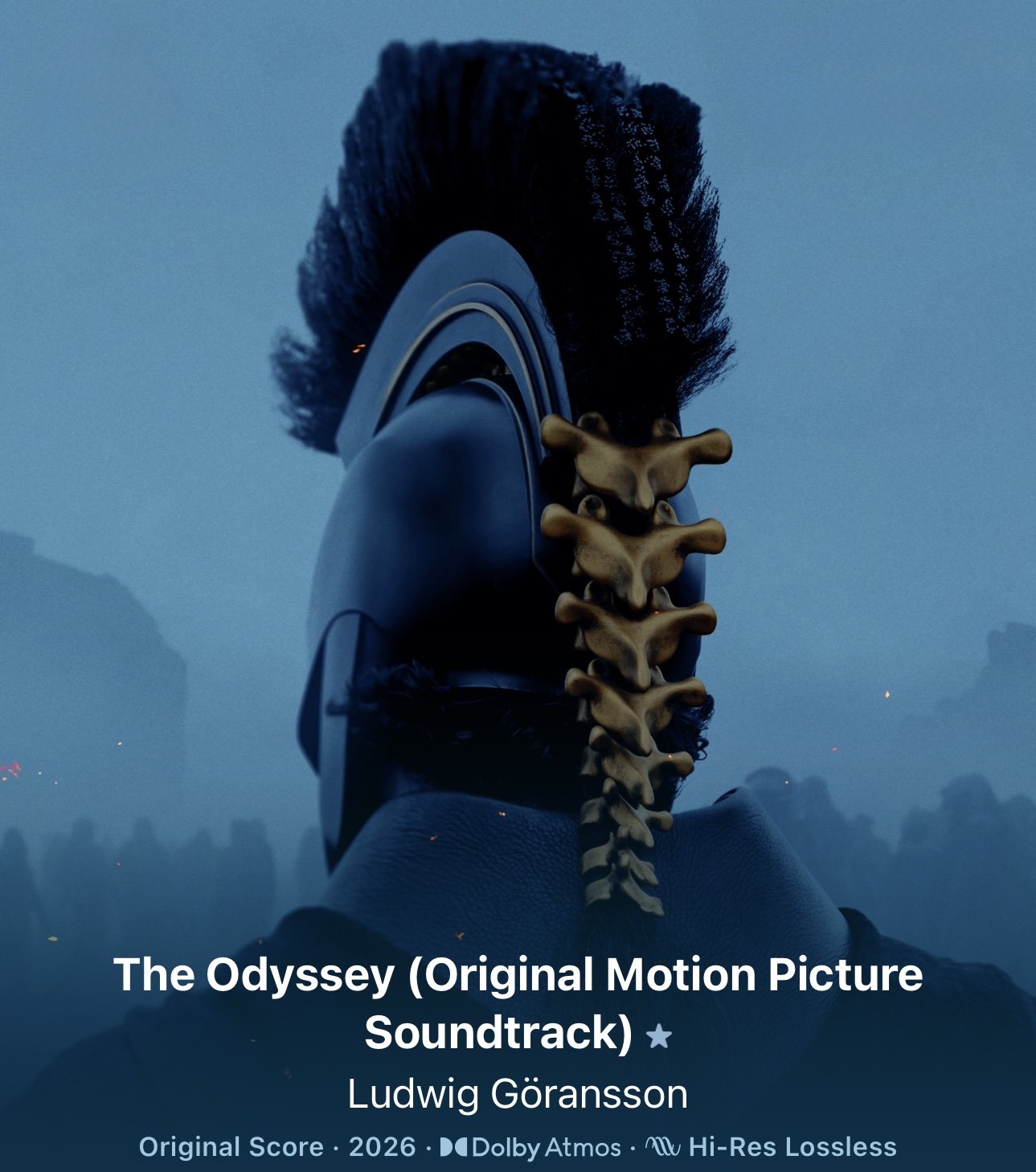
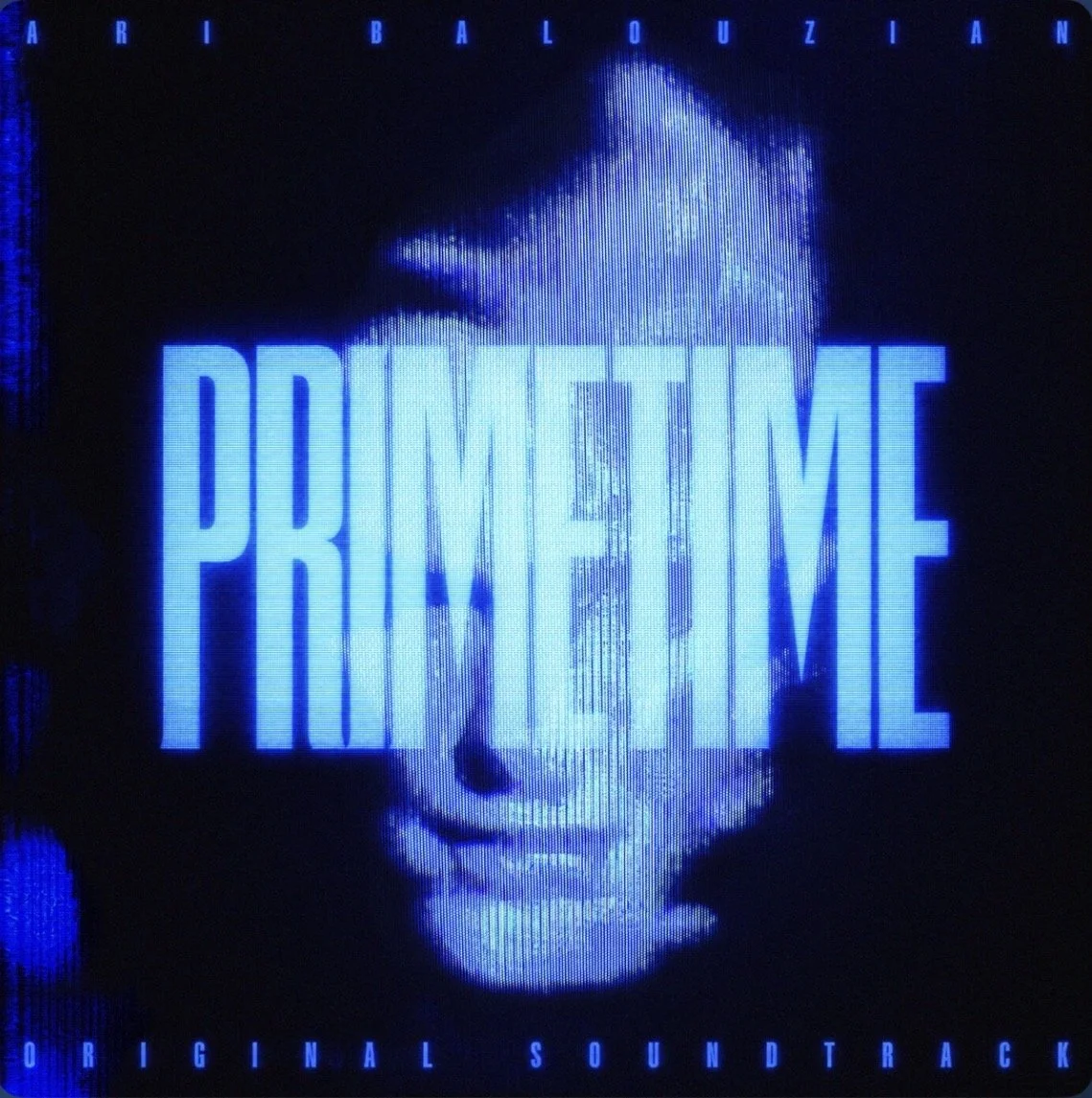

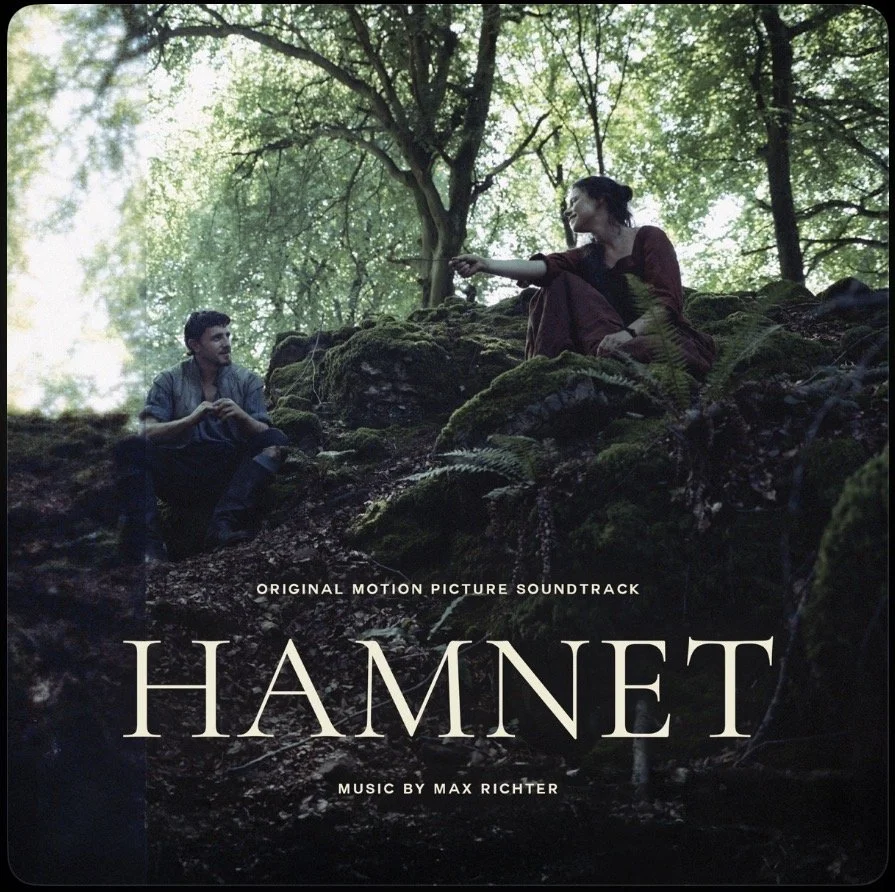
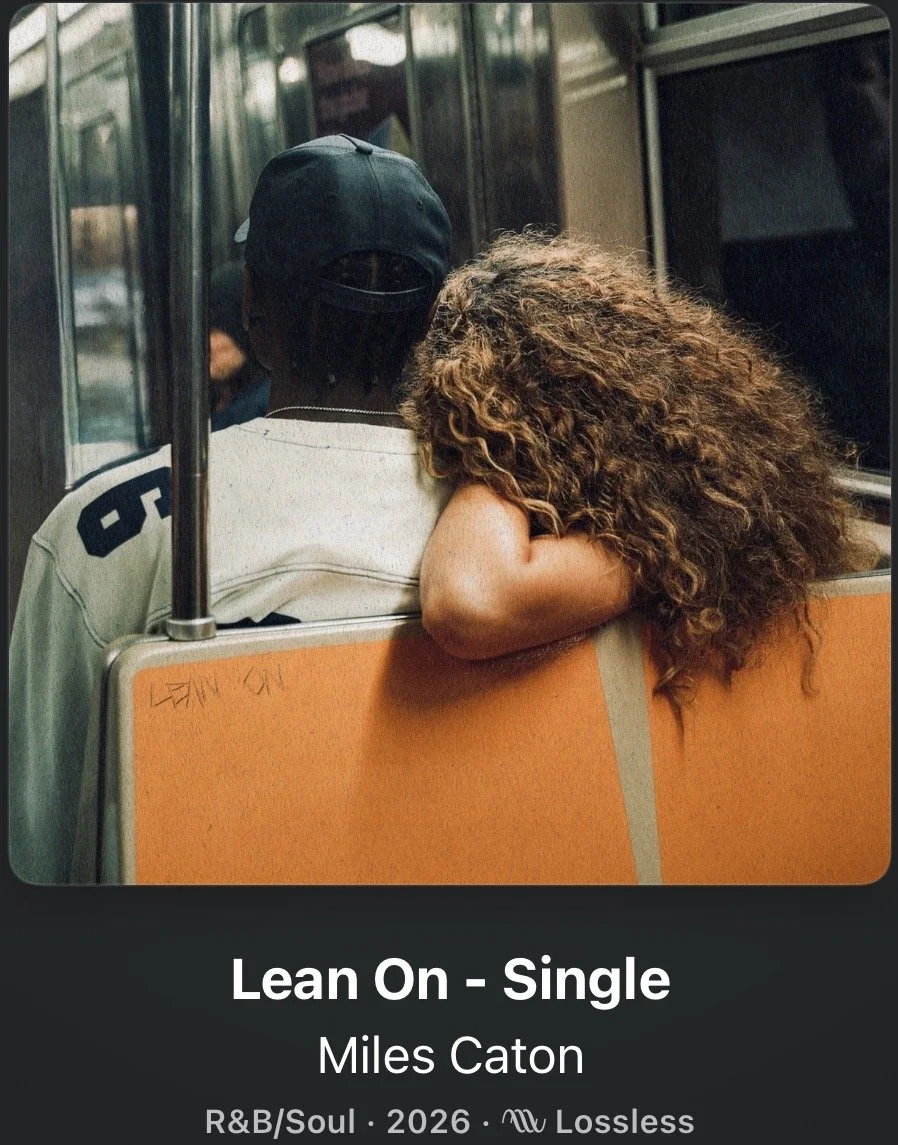


We started in ancient Greece, made an emergency stop in Metropolis, got emotionally involved in somebody else's business, and somehow ended up with Bad Bunny. I can't explain the route, but I enjoyed every stop! 😂
I'm in the middle of shedding.
It's an inspiring process, but not necessarily the pretty, effortless kind where everything unfolds neatly, and you emerge from a difficult season with a brand-new perspective, a perfectly curated testimony, and everything suddenly making sense. I'm gaining that perspective, but the process of getting here has been extremely uncomfortable. This version of shedding requires me to recognize that certain habits, expectations, my relationship with control, and even the ways I've learned to survive no longer fit the person I'm trying to become—or perhaps the person I've always been. And unfortunately, recognizing those things doesn't necessarily make them any easier to release.
Lately, I've been thinking a lot about reconditioning. About what happens after you finally acknowledge that your life belongs to you and realize how much practice it takes to actually live like you believe that. Choosing myself once wasn't going to undo years of fear, overthinking, people-pleasing, guilt, or feeling responsible for outcomes I could never fully control.
Apparently autonomy has homework, and some of that homework has involved accepting things I genuinely wish were different. There are circumstances I would change if wanting them changed were enough. Relationships I wish looked different. Financial realities I would gladly trade. Things that happened to my body, my career, my family, and my confidence that I never would have chosen. Acceptance doesn't require me to pretend I like any of it. It means I'm learning to stop negotiating with reality before allowing myself to move forward.
That has been considerably harder than I expected.
Christopher Nolan's The Odyssey arrived at an interesting point in my life. I was already trying to understand how to move forward without carrying every disappointment, survival mechanism, and expectation that had accumulated over time. Then here comes Odysseus (the main character), fighting gods & monsters, losing men, making questionable decisions, and repeatedly discovering that knowing where you want to go doesn't necessarily mean you, alone, know how to get there.
In the middle of learning to accept all that I have been trying to endure, I watched a man, six times, spend twenty plus years trying to return to a place he never stopped calling “home”. By my third watch, I knew this wasn't going to be a movie I could simply rate, recommend, and move on from. I also didn’t expect it to become the continuation of a conversation another movie had already started.
With Michael, I explored grief, identity, art, and autonomy with real courage. I wrote about reclaiming my voice, questioning the expectations I'd allowed to influence my decisions, and recognizing that nobody was eventually going to arrive and give me permission to become whoever I wanted to become. If you haven't read that piece yet, I'd actually encourage you to pause here and spend some time with it before continuing on. I think you'll appreciate the connection between these two reflections that capture different stages of my personal transformation, from what I was beginning to understand about myself to what I'm now learning to put into practice.
My life is mine to choose, everyday!
The choice is only the beginning.
I still have to become someone who can carry everything this version of me requires.
The Ril Talk
Before I get too far into this, I need to make one thing clear: I am not about to spend an entire blog criticizing myself for everything that hasn't happened according to plan. I've done enough of that already. Not every delay in my life has been mine. There have been circumstances beyond my control, responsibilities I didn't anticipate, financial limitations, health challenges, and periods when simply surviving what was happening in front of me required more energy than I had available for anything else. This is about learning to recognize which delays were beyond my control and which ones I have the power to stop creating.
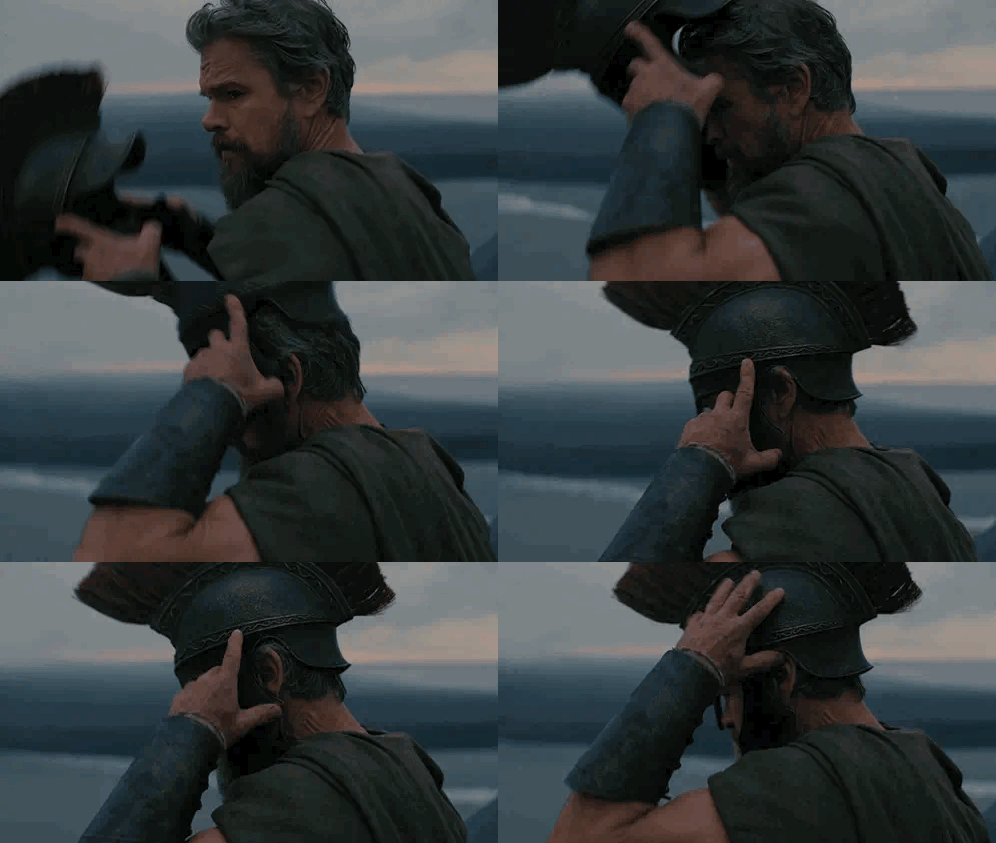
We live in a time when recognizing something about ourselves can feel like an obligation to change immediately, as though awareness and action are supposed to happen in the same breath. Social media certainly doesn't help. We're constantly exposed to people announcing new beginnings, reinventing themselves, and making dramatic changes, but we rarely see the quieter work of unlearning habits, developing healthier ones, and gradually incorporating them into everyday life. I've learned that trying to change everything at once can become its own kind of delay. You keep starting over, convinced that this time you'll get everything right, without giving yourself enough time to build on the progress you've already made. Preparation isn't always procrastination. Waiting isn't always avoidance. Sometimes not yet really does mean not yet. Sometimes I've prepared enough. I've thought enough. I've researched enough. I've made enough adjustments. I've considered enough possibilities to understand that the only thing left to do is to move.
That's where reconditioning becomes important!
For years, I learned to approach certain decisions through the lens of what might go wrong, who might be disappointed, whether I could afford the consequences, and whether I was prepared to explain myself if somebody questioned my choices. Even when I knew what I wanted, I could find myself trying to make the decision comfortable for everybody involved.
Now I'm learning to make decisions based on what is actually right for me, all without the unnecessary guilt, shame, or requiring everybody else to understand. That doesn't mean I’m becoming selfish, inconsiderate, or unwilling to receive wisdom. It means recognizing that I can care about people without giving them authority and power over my life. I can acknowledge their feelings without automatically making those feelings my responsibility. I can love someone and still establish a boundary. I can recognize that a particular situation isn't what I hoped it would be without spending another five years trying to force it to become something else.
I'm also coming to terms with the fact that a decision can be right for me and still feel uncomfortable. None of this is new to me in theory. I’m just having to practice it at a level I’ve never faced before. I think that's the part people don't discuss enough when we talk about choosing ourselves. We celebrate the moment somebody finally decides to change their life, but there's considerably less conversation about the conditioning that follows like:
What happens when the guilt shows up anyway?
When you second-guess yourself?
When you know you've made a necessary decision but still wish the circumstances hadn't required it?
What happens when the person you're trying to become requires behaviors that feel completely unfamiliar to the person you've spent years being?
My answer is simply: You practice at this.
You practice making the decision again, choosing to be the version of yourself you want to be everyday. You establish the boundary again. You resist the urge to explain yourself into exhaustion. You learn to recognize when your instincts are protecting you and when they're simply repeating an old fear. You stop treating discomfort as proof that you're doing something wrong. That's where I am. I am not completely transformed, nor am I magically healed, or suddenly free from every habit I'm trying to unlearn. I’m just considerably more aware of what I can no longer afford to carry.
The Odyssey helped me recognize this even more.
And the Story Lives On. . .
For anyone unfamiliar with Homer's epic, The Odyssey follows Odysseus, king of Ithaca, as he attempts to return home following the Trojan War. The war lasts approximately ten years, and his journey home takes roughly another ten. By the time he finally returns, he's been away from his kingdom, his wife Penelope, and his son Telemachus for about twenty years. Could you imagine this?
That distinction matters because Odysseus doesn't begin his journey home as an inexperienced young man setting out to discover the world. He's already spent a decade at war. He's a husband, father, king, warrior, and strategist who has survived something extraordinary, and now he wants to go home.
Simple enough, right? Absolutely not. 😂
His voyage becomes another decade of storms, monsters, gods, temptation, loss, pride, consequences, and repeated reminders that even the cleverest man in the room cannot control everything around him.
The word odyssey eventually came to describe a long, eventful journey, often involving difficulties and profound experiences. What makes the original story so enduring, though, isn't simply the number of obstacles Odysseus encounters, it's what those experiences reveal about him.
Christopher Nolan's adaptation makes that humanity feel so enormous.
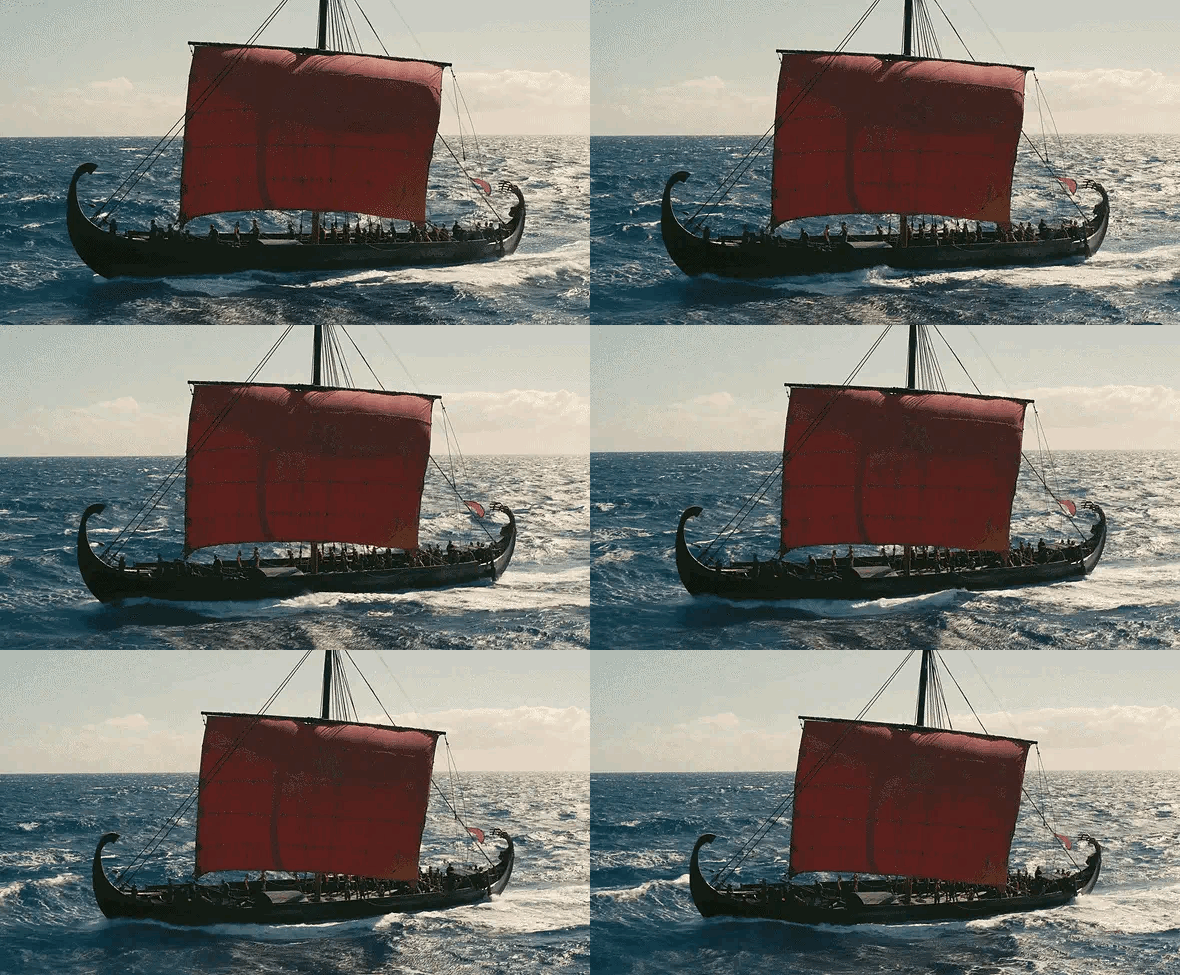
Matt Damon gives us an Odysseus who is brilliant, stubborn, strategic, arrogant, exhausted, grieving, and occasionally so determined to prove a point that I wanted to reach into the screen and tell him to “PLEASE just get on the ship, listen to your men, and go home.” Anne Hathaway's Penelope carries the weight of twenty years of immense uncertainty while protecting the kingdom and raising their son. Tom Holland's Telemachus has grown into a man whose father's absence has shaped almost his entire life. Then there's Robert Pattinson, Jon Bernthal, Charlize Theron, Lupita Nyong'o, Zendaya, and a cast so incredibly stacked that just when you think you've recognized everybody, another familiar face shows up and you're like, Oh, you're in it too? 😂
Even Travis Scott's appearance as the Bard fits the storytelling tradition Nolan is exploring. There's something fascinating about connecting ancient oral poetry with a modern artist whose own work exists within a tradition of rhythm, performance, and storytelling. It reminds me that stories don't survive thousands of years because everybody tells them the same way. They survive because new generations continue finding something worth saying through them.
Visually? OH MY GOODNESS. . . .
The ships against those beautiful blue waters. Their massive orange and red sails. Ithaca. Troy. The Cyclops. Circe. Hades. The Sirens. The storms. There's a physicality to this movie that I absolutely adore! From the men maneuvering the enormous Trojan Horse to navigating unforgiving landscapes and confronting creatures that feel almost tangible, everything has a remarkable sense of scale. One moment, these men appear powerful and commanding; the next, they're practically insignificant against the vastness of the oceans.
The sound is another experience entirely!
During my standard IMAX screenings, I genuinely wondered whether I'd ever heard a movie this loud. Not obnoxiously loud, but physically immersive. The water, the ships, the metal, the percussion, the movement of everything around Odysseus—it feels like the theater itself has become part of the environment.
Nolan's decision to shoot the entire feature using IMAX film cameras makes that scale even more remarkable. The production had to address the mechanical noise of those cameras so the format could accommodate intimate dialogue as well as enormous action sequences. What I appreciate is that Nolan doesn't reserve IMAX for spectacle. The quiet conversations, faces, and emotionally significant moments are given the same visual importance as the battles and storms.
I had a similar feeling watching Sinners, although the films themselves couldn't be more different. Both made me aware that I was experiencing something that could become a significant part of cinematic history before the world had fully recognized its significance.
The Odyssey has already established itself as an extraordinary achievement in filmmaking, and I believe it deserves to be remembered among the greatest films of this century. Beyond its technical achievements and storytelling, watching it theatrically has been one of the most remarkable moviegoing experiences of my life. Even after six viewings, I still find myself wanting more, but what continues to bring me back isn't just the spectacle, the gods, the performances, or the incredible filmmaking. It's the humanity beneath it all. For all its grandeur, the image that has stayed with me most is remarkably simple: a man who has lost almost everything, yet remains determined to find his way home.


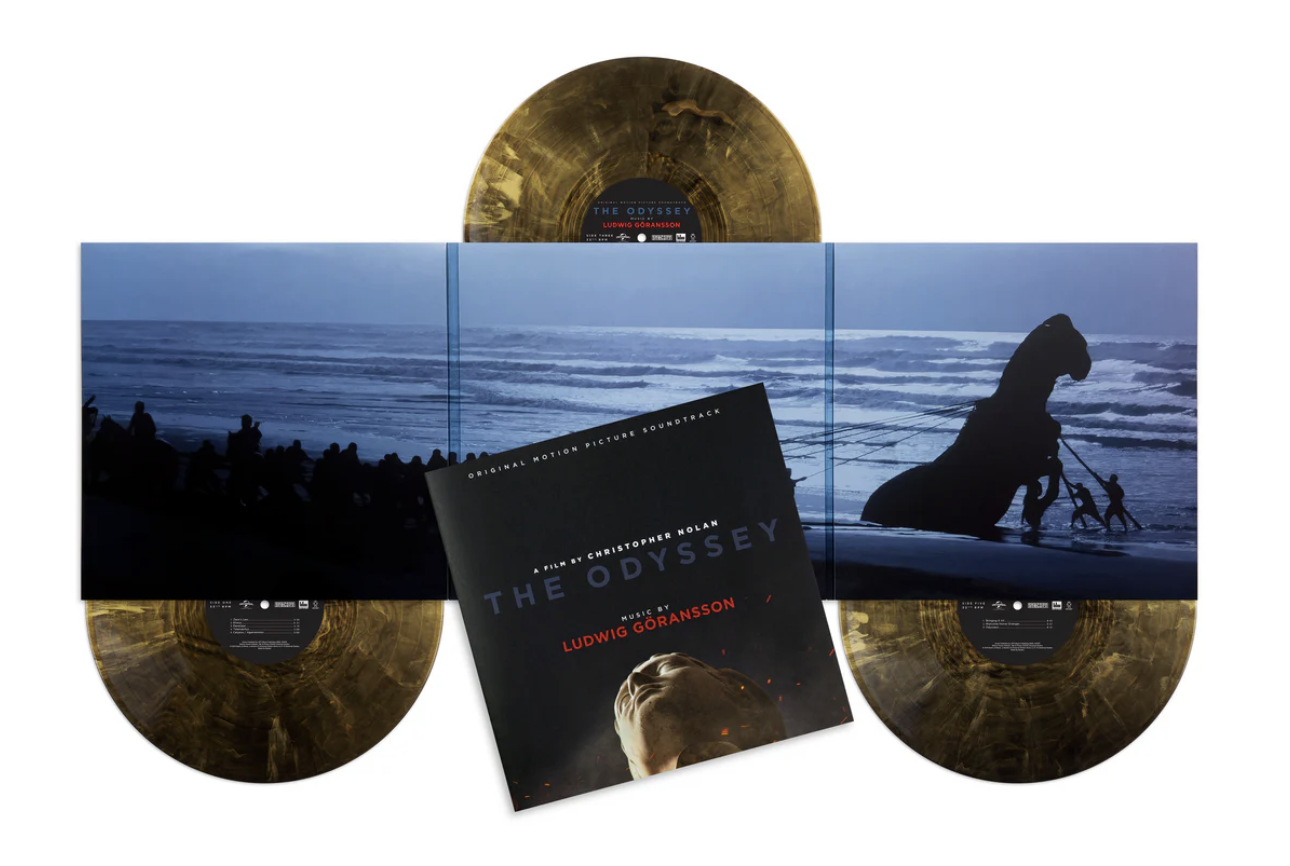


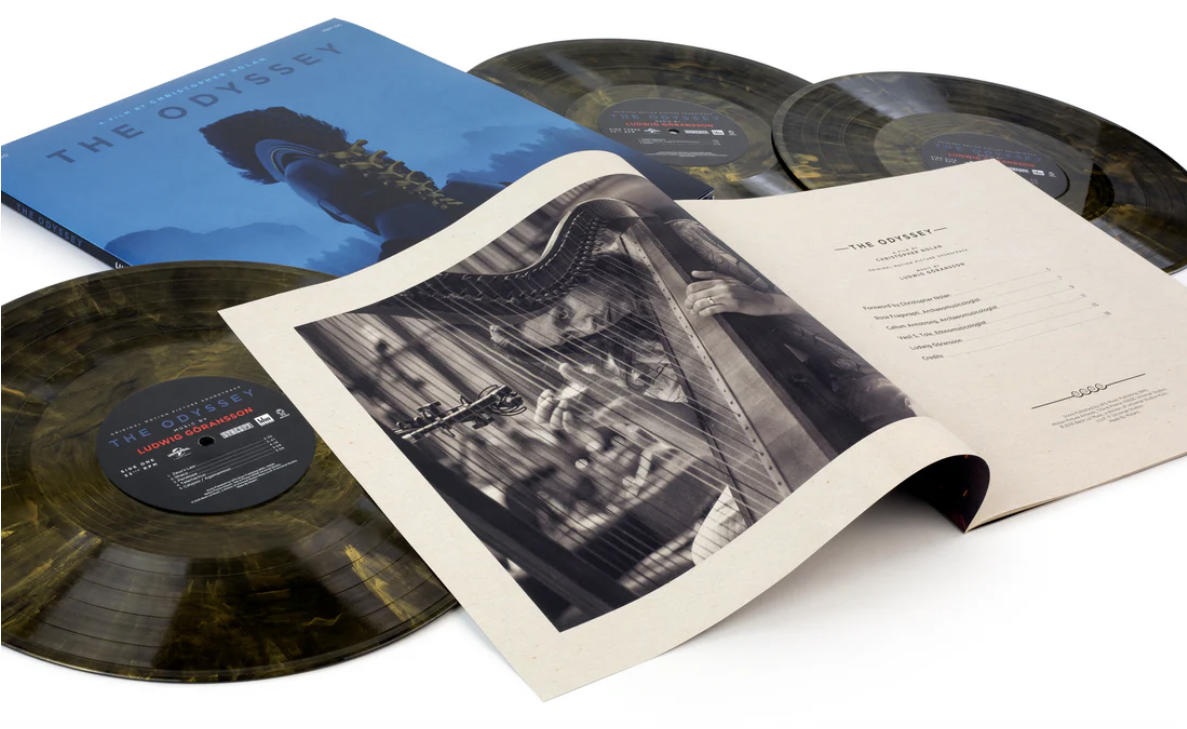


Quick story? 🤭 This is easily one of my favorite film scores of ALL TIME, and I still can't believe I own it! I sent one of my moviegoing friends screenshots of these GORGEOUS gold-pressed vinyl records with a simple “I want this!” Mind you, I wasn't dropping hints or asking for anything. I was just speaking my future purchase into existence, lol! Well, apparently, my friend took that as a personal assignment because without another word about it, the record was ordered and in my hands the following week! 🥹🫶🏾
AND HERE'S THE FUNNIEST PART: I don't even own a record player yet! Three vinyl records into my collection and not a single way to play them, but baby, the priorities are PRIORITIZING! Get the records first, and dream record player second. 😂
P.S. For my fellow soundtrack lovers, you can find this beauty at Mutant! 🎶
Ludwig Göransson, James Blake, and Resetting My Nervous System
I have always had a complicated relationship with the phrase calm down because telling my brain to calm down has historically not been a particularly effective strategy for making my brain calm down. Meditation is difficult for me, and breathing exercises are fine in theory, but just not for reseting myself. Sitting somewhere attempting to think about absolutely nothing usually results in me thinking about seventeen things all at once.
Music, however, has a different effect on me, especially movie scores and soundtracks.
There is something about music without lyrics that allows my brain to stop trying to participate. I'm not following somebody else's words. I'm not anticipating the hook. I'm not attaching my own story to every sentence. I can simply let the sound occupy the space.
Ludwig Göransson's score for The Odyssey became one of those spaces almost immediately, starting with my first full listen after watching the film. That is especially interesting because the score doesn't sound like your typical idea of traditional meditation music. There is bronze, percussion, strange textures, and background vocals, with ancient instruments pushed through modern recording techniques. Working alongside archaeomusicologists Rosa Fragorapti and Callum Armstrong—specialists who study and reconstruct the music and instruments of ancient cultures—and ethnomusicologist Vasil S. Tole, who studies music within its cultural and social context, Göransson explored instruments connected to ancient Greece, including the lyre and the aulos. He also experimented with bronze instruments and enormous gongs, creating a sound that feels rooted in an ancient world without pretending it was recorded there. I've talked about Göransson's work on this blog before, and the level of research, intention, and creativity he brings to his projects continues to deepen my appreciation and respect for his artistry. He’s my favorite composer for a reason!
The relationship between music and memory is one of the things I love most about film scores. Sometimes I hear a piece and immediately return to the movie: the exact scene, the image, the lighting, the emotion. Other times, after I've lived with the music long enough, it separates itself from the movie completely. It becomes something I can use without needing the image that introduced me to it.
I've experienced that repeatedly with superhero scores over the years—and especially lately, enough that I probably owe that subject an entire blog of its own. wink wink
The Odyssey joined that collection quickly.
By my third viewing, I had listened to the score enough between screenings that I could hear its architecture differently when I returned to the theater. I could recognize where certain sounds belonged. One piece could bring back the sound of water crashing against the shore, another the unmistakable sound of Odysseus plucking his legendary bow, and another the haunting blueness of Hades, where the atmosphere feels suspended between sorrow, longing, and the unknown, before I even consciously recognized the scene.
Then there is James freaking Blake. . . . .🤯
One of my favorite singers ended up inside one of my favorite cinematic experiences of the year two years in a row now, and somehow his voice fits this world so naturally that hearing him became part of how I remember it. He literally has the voice of an angel, better yet a sirennnnnnnnn!!! Göransson has talked about the emotional quality of the human voice and what James could provide in places where another score might traditionally lean on strings. That makes perfect sense to me because his voice doesn't arrive in these sequences like a featured artist waiting for you to recognize him. It becomes texture. His voice can feel haunting without making the music feel frightening. Familiar without pulling me out of the world. Human inside something that feels almost supernatural.
My favorite songs from the soundtrack are:
There are days when I put the score on because I want to remember the movie. Then there are other days when I put it on because I need my brain to go somewhere else while I sit at this computer and work.
I experienced something similar with Michael. I didn't realize how much I'd drifted away from regularly listening to Michael Jackson until the film sent me back into his catalog. Now I know that if I'm in a terrible mood, I can turn his music on and reset until something eventually shifts. Maybe the bad thing hasn't changed, and maybe the problem is still waiting for me when the song ends, but the moment doesn't have to own me forever.
The Odyssey score gives me a different version of a reset.
Where Michael’s music makes me move, Ludwig’s makes me exhale and focus.
Apple Music Replay: April-June 2026


Last year, I made it into Ludwig Göransson's top 1,000 listeners on Apple Music. Well, judging by these numbers, I might be fighting for an even higher spot this year! 😂 July came in at 10,099 listening minutes, September at 11,389, and Ludwig was my #1 artist both months, with 4,643 and 3,104 minutes respectively. The Odyssey soundtrack claimed my #1 album spot in July, August, AND September. 🎶
The Cost of Delay
One of the things I appreciate about Odysseus is that his destination never becomes particularly complicated. He wants to return to Ithaca, to his wife Penelope, to his son Telemachus, and to the life he left behind, even though he cannot possibly know what twenty years have done to it. When I refer to finding my own way home, I'm not necessarily talking about a physical location. I'm talking about returning to a sense of alignment with myself after what has felt like an endless journey through one difficult season after another, testing my resilience and changing the way I recognize myself. For Odysseus, Ithaca is his kingdom, his home. For me, home is still taking shape.
I don't think it's entirely accurate to say I've lost my way, but the last several years have certainly changed how I've navigated my ambitions. My car accident in 2022 affected my health, career, and financial stability. I've experienced setbacks, changing relationships, and opportunities I couldn't pursue. Then my mom got sick. Some of these circumstances were very painful, unfair, and way beyond my control. In all honesty, others were consequences of decisions I made.
Odysseus understands both kinds of delay. Consider the Cyclops. After escaping Polyphemus, he could have sailed away, but instead, he decides to teach him one final lesson, provoking the Cyclops to call upon his father, Poseidon. The man survived the monster and practically handed him a forwarding address.
Some delays happened to Odysseus. Some were consequences of Odysseus.
I can extend grace to the woman who survived circumstances she never chose while holding myself accountable for the moments when fear, stubbornness, or overthinking influenced what happened next. I don't need to condemn every delay, but I do need to recognize the ones I create and the pain I sometimes inflict upon myself. That's one of the things I love about how Odysseus is portrayed. His mission to return home never changes, and even when one plan falls apart, he's already thinking about what he can do next. After years of constant life-changing circumstances that left me isolated and uncertain, I developed an unhealthy habit of considering everything that could go wrong before allowing myself to imagine what could go right. I can't pinpoint exactly when that confidence began to officially fade, but I do know that something triggered a fundamental change in how I approach uncertainty, because I haven't always questioned myself this much.
What's difficult to reconcile is that I remember being a woman who didn't allow uncertainty to intimidate her quite so easily. I wasn't fearless, but I trusted myself to figure things out without having to be perfect or right the first time. There was a time when I believed I could find a solution to any problem, even if it wasn't the one I'd originally planned. That's the mindset I've been working to reclaim. There is no room for failure in the way I'm learning to approach my life. If something doesn't work out, it's a lesson, not a failure. It's a chance for me to try again, approach things differently, and take what I've learned and become better.
I keep thinking about Travis Scott's appearance as the Bard and that progression: a face, a fleet, a war, a man, a thought, a trick.
It's almost remarkable how something as simple as a thought can become a strategy powerful enough to change the course of an entire war. Behind the face of a king and the command of an entire fleet is a man whose greatest advantage has always been his ability to think his way through seemingly impossible situations. That's what I admire about Odysseus, and what I recognize in the tenacity I once had, but there's a difference between trusting your ability to find another solution and believing you can outsmart every circumstance. Not everything in life can be solved with another clever plan, nor can you force your way through something simply because you're determined to make it work. Sometimes the work is knowing when to act, when to change direction, when to allow life to unfold without trying to dictate every outcome, and when to accept that some circumstances will affect you whether they were meant for you or not, releasing what was never yours to control in the first place.
By the time Odysseus reaches island of Calypso, an immortal nymph and Greek goddess, he's lost his fleet, his men, and almost everything that once represented his power. His intelligence hasn't disappeared, but it can no longer guarantee his return home. Perhaps that's why Calypso's words have carried so much significance for me since my very first viewing of the film—“Give up the fight. Give up control. Live.” After everything he's survived, the man who always seemed to have another idea or trick must confront the possibility that moving forward requires something other than another plan or strategy.
What makes Calypso's words even more profound is that, before reaching her island, Odysseus had already encountered Athena, the Greek goddess of wisdom, warfare, and strategic intellect (several times), Circe, a powerful enchantress, and Tiresias, the blind Greek prophet, in Hades, all of whom confronted him with truths about his journey that he struggled to accept. He was given warnings and guidance, an exact roadmap home, including what it would cost him, yet almost until the very end, he remained convinced that he could find another way to reach the outcome how he wanted. I couldn't help but think about how often we as humans do the same thing with God. We pray for direction, but when that direction challenges what we've already decided for ourselves, we start looking for another way that’s more convenient. That’s the difference between having faith that things will work out and insisting they work out according to our own understanding. Obedience requires accepting answers and the work to be done even when we don't particularly like the process.
Those moments resonate with me so deeply because I've spent years trying to anticipate problems, protect myself from disappointment, and make responsible decisions. Those instincts helped me survive difficult circumstances, but surviving and living are not the same thing. In time, I’ve had to get back to the understanding that all “shedding” isn't just about abandoning something harmful, but is also the process of releasing something that served you well in the past but no longer serves where you are now. Again, I wasn't always this way. I used to welcome new versions of myself more easily, without questioning every change or placing so many conditions on my own growth, treating every unfamiliar experience as something I needed to be prepared for. This is called survival mode. If there's one thing these last few years have taught me, it's that I never want to be this hard on myself again. I've experienced firsthand just how difficult life can become, and while I'm certainly not asking for another season of hardship, I now have a greater understanding of what I'm capable of withstanding and overcoming.
I’m choosing to live again!
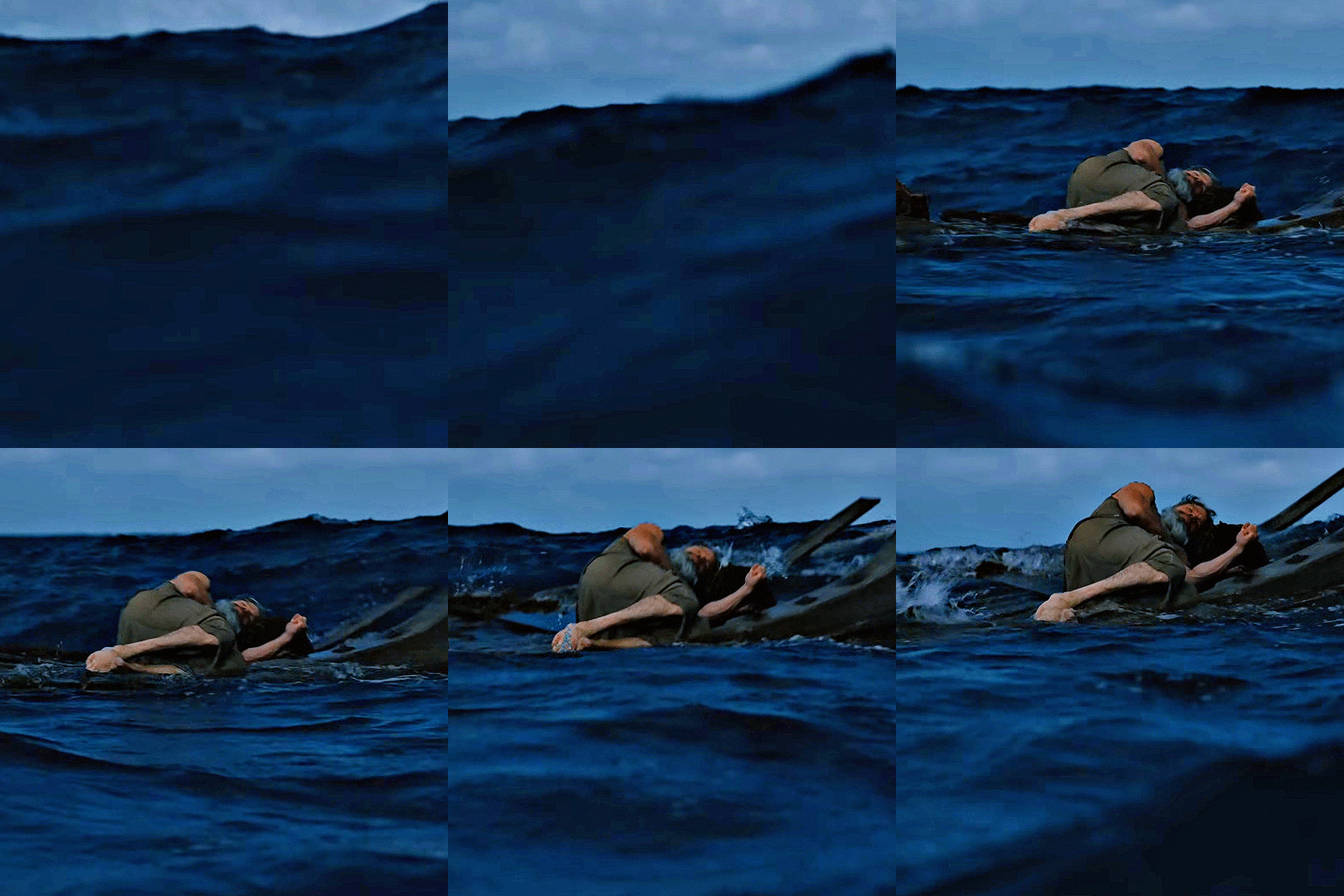
Now at this point in the film when Odysseus is preparing to leave Calypso’s island, he doesn't have his fleet anymore. He has this raft in which he’s been subconsciously building, from parts of his crashed shipped. A raft that is more than enough to leave her island behind. I think about that when I consider everything I've accumulated throughout the fourteen years of my creative work. Every time Odysseus touches another piece of his wrecked ship, memories of who he was and everything he's endured begin resurfacing. As he consumes less of the lotus flower, a habit developed, he becomes more connected to the life he's been trying to return to. Recognizable in myself, whenever I book another client or content session, work on a contract, edit a video, or write another blog, each creatively fulfilling moment reminds me of the woman who once approached life with so much self-assurance, optimism, and great sense of possibility. I'm not trying to become an older version of myself again; I'm simply reclaiming the parts of her I've lost touch with while releasing the habits that have kept me from recognizing who I still am.
All of my artistry, experience, faith, writing, and ideas haven't disappeared just because my circumstances have changed. Being stripped down doesn't mean I’ve become empty. I can prepare, practice, and give my work my best effort without demanding certainty about the results. That's part of the beauty of creating art in the first place. Not everything I create has to solve a problem, prove something, or produce the outcome I envisioned. There's value in the act of creating itself. The same applies to surrender. It doesn't mean I stop doing the work. It means I stop confusing the work with my ability to guarantee the outcome. I'm learning to build the raft, get on it, and trust God with the flow of my waters.
Since my mom got sick, I've also thought about the places I want to take her, the movies I want us to see, and the memories I want us to make that have nothing to do with work or responsibilities. I still want financial stability, a successful business, and opportunities to write, but I also want friendships, love, laughter, and rest. I don't want the journey to become so obsessive that reaching the destination costs me the experience of being alive.
If I destroy myself trying to get home, what exactly is arriving?
Life isn't the obstacle between me and the destination.
This film has been a gentle reminder that life is what is happening around me all the time.
I know I'll make more mistakes, and I won't always recognize when I'm standing in my own way, but I'm no longer willing to let the fear of what could happen cost me the life I could be living.
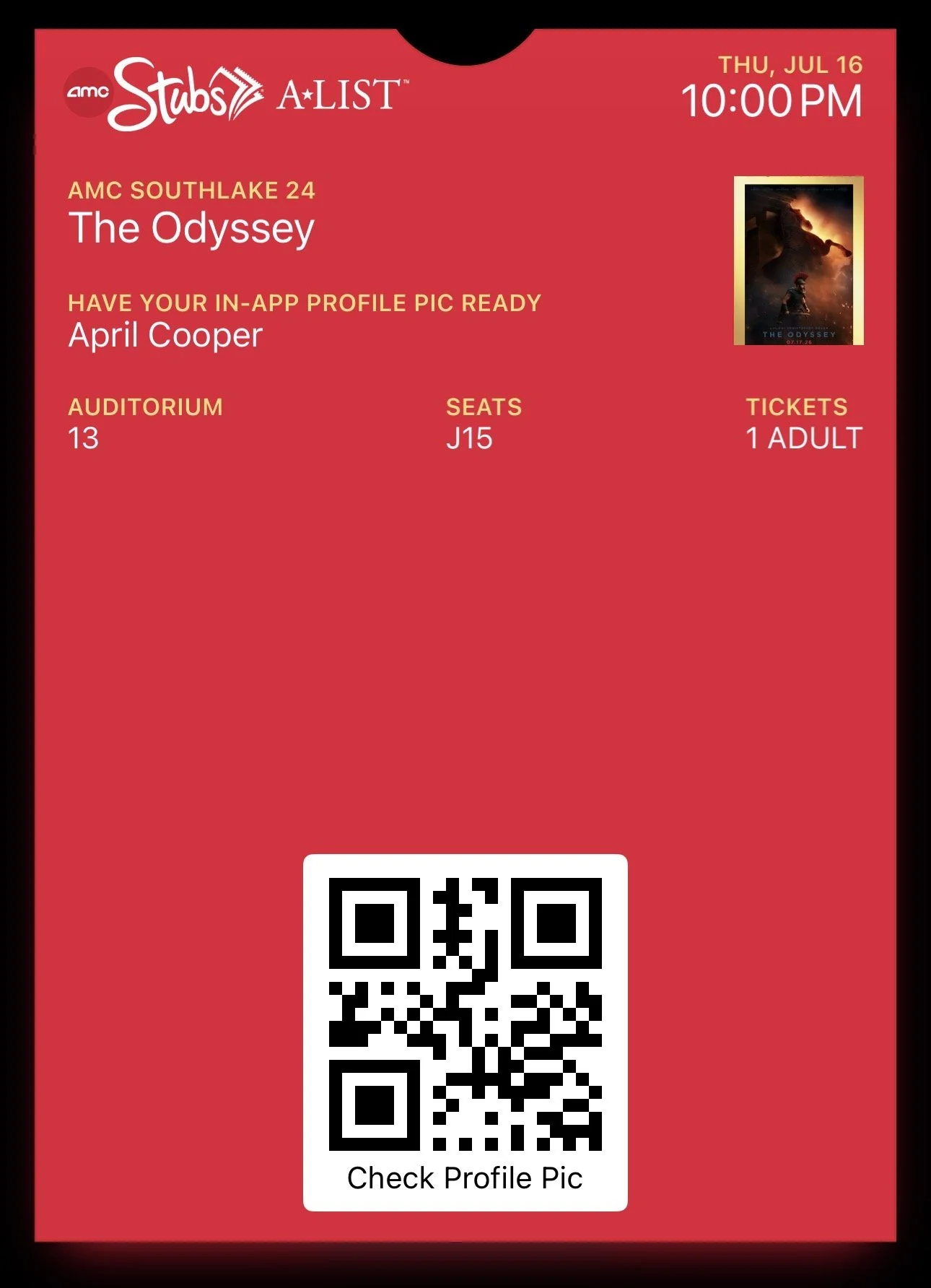
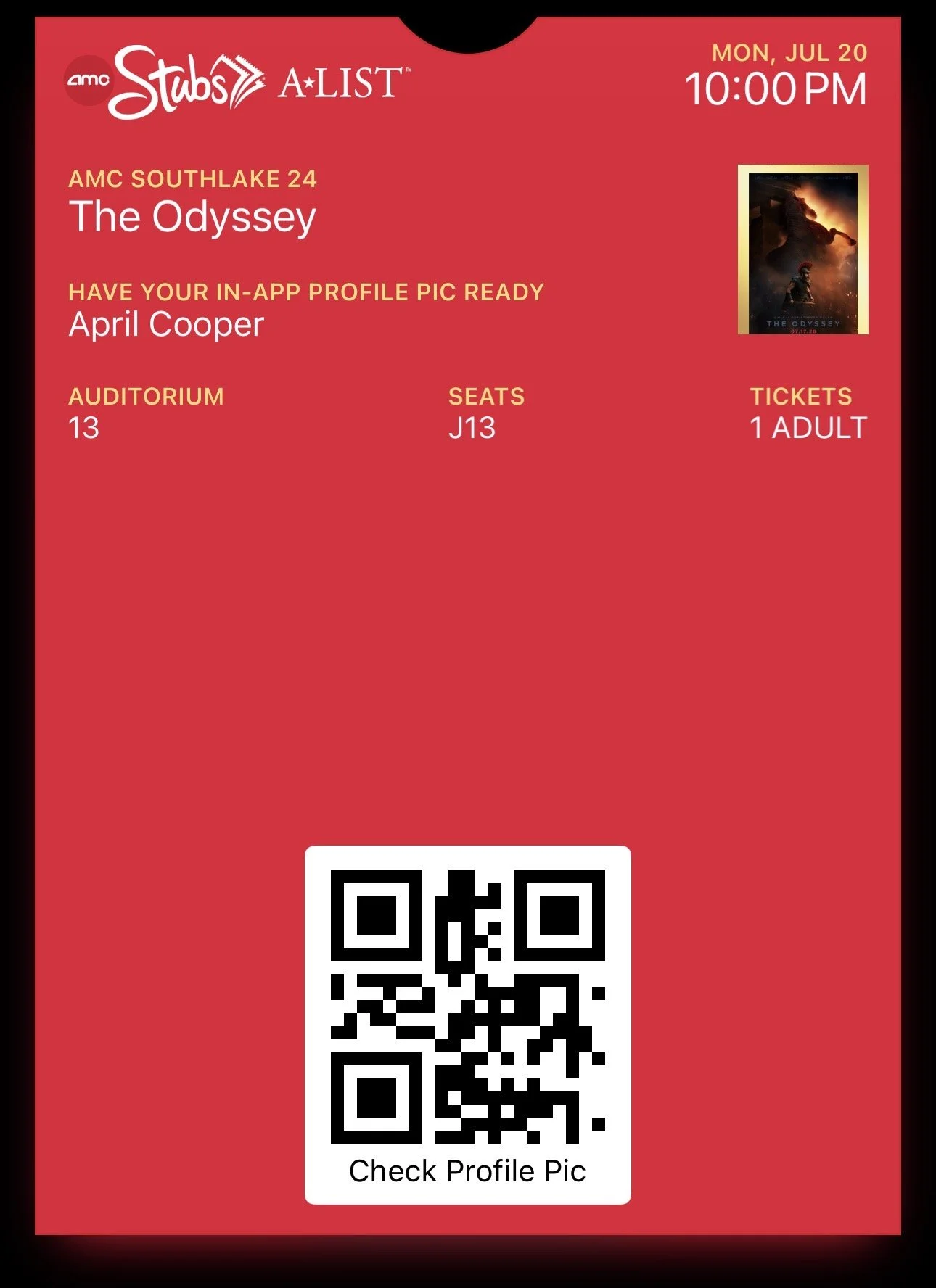
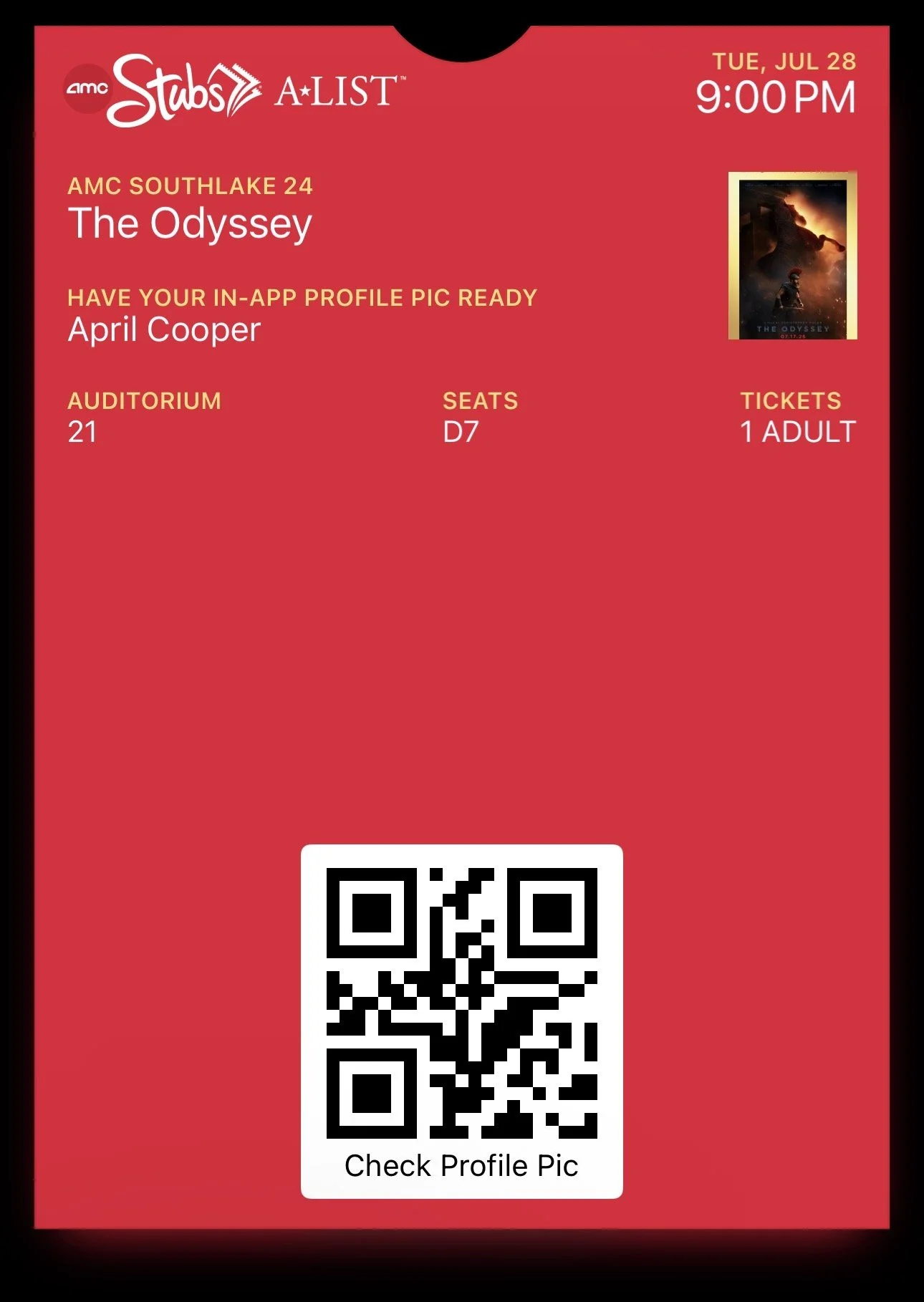
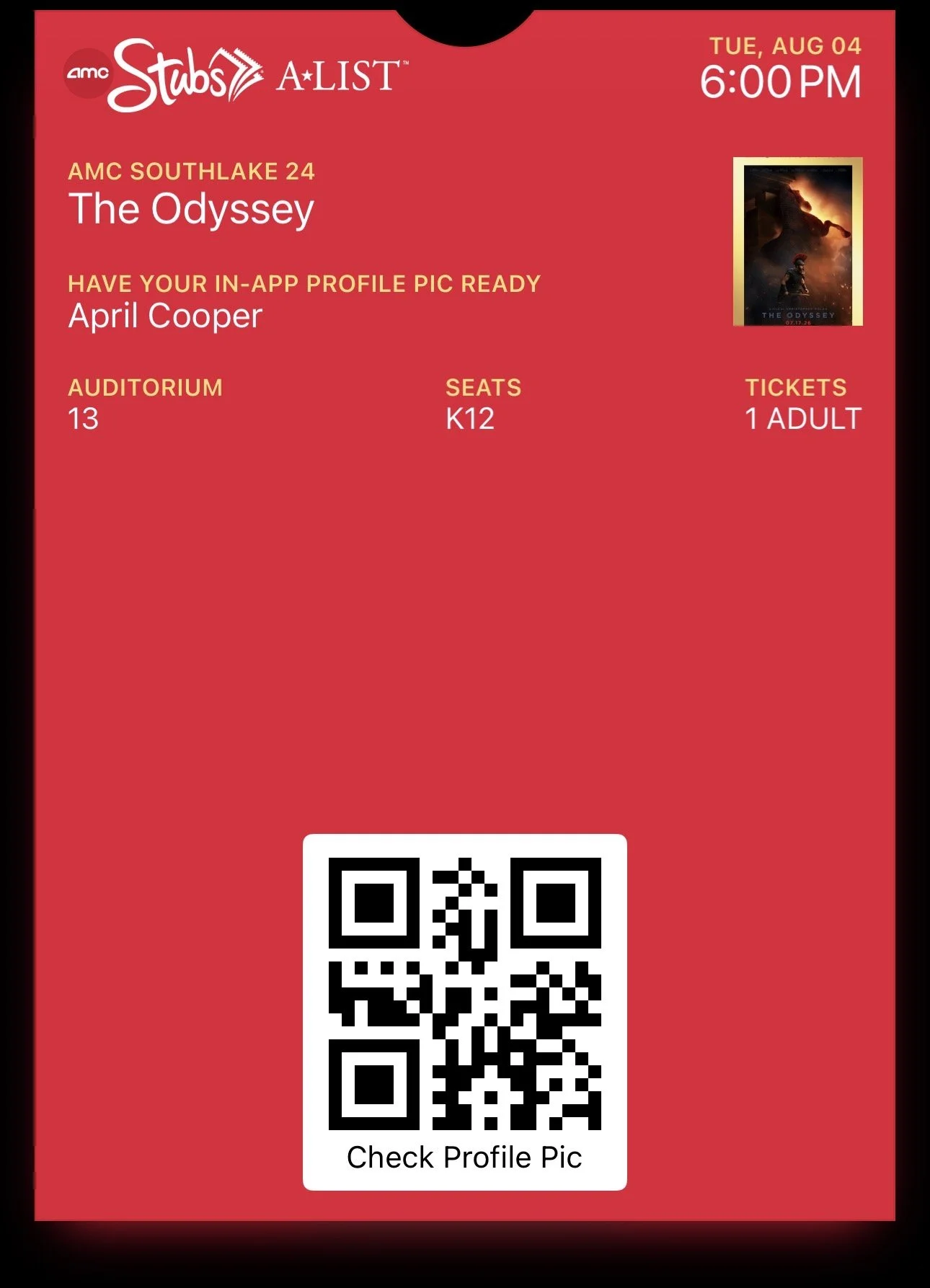
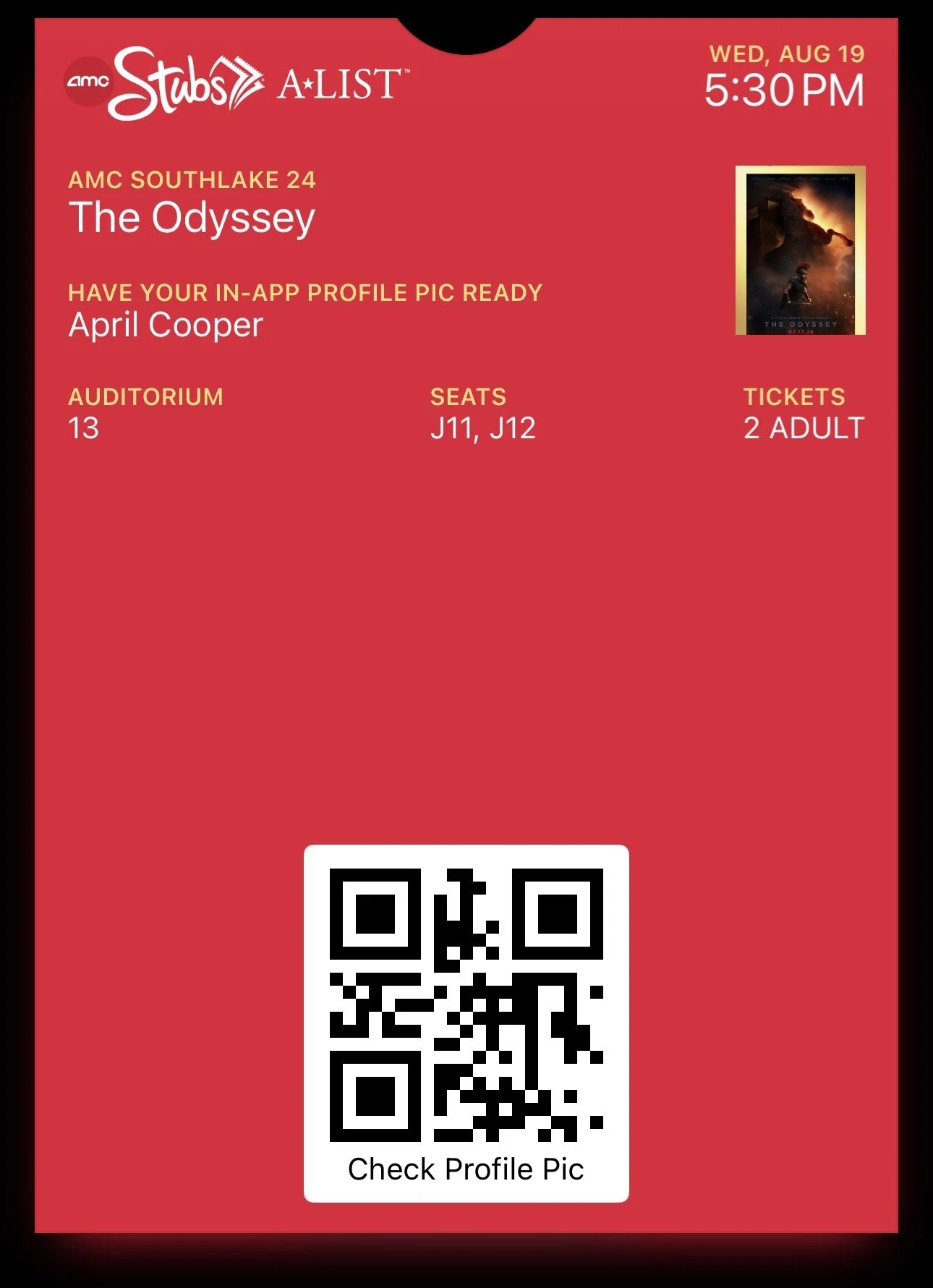

🎬🍿Six Watches: July 16 (IMAX) · July 20 (IMAX) · July 28 (4DX) · Aug 4 (IMAX) · Aug 19 (IMAX) · Sept 29 (IMAX 70mm)
Finding My Way Home: The Sixth Watch
By September 29th, I'd already seen The Odyssey five times, but walking into that sixth screening felt like I was about to experience something entirely new. Technically, I was. This was my first opportunity to finally see the film in IMAX 70mm, because securing a good seat was practically an odyssey of its own. After five screenings, I thought I knew exactly what to expect, but experiencing the film in this format made familiar moments feel new again.
The presentation was beautiful, although one of the most surprising differences was the sound. Compared with my previous standard IMAX experiences, the overall volume seemed noticeably lower, and my best friend and I both found ourselves hearing certain conversations more clearly. The Cyclops scene, however, remained committed to disturbing the peace. It was LOUD!!!! I especially appreciated the Sirens sequence even more, where the sound becomes noticeably muffled when the men block their ears with wax. It's such an ingenious use of sound when the audio begins to fade, but we can still hear the song faintly, creating a brilliant contrast between what we as an audience are experiencing and what Odysseus is actually enduring.
Six viewings later, I was still discovering things to appreciate about this film, but as you can probably tell the biggest realization that stayed with me was that Odysseus eventually reaches Ithaca without recovering everything he lost. He makes it home, but he doesn't get his old life back, and he can’t have that way of life back. Finding my own way home, back to myself, isn’t about returning to who I used to be or recovering everything I've lost either. It’s making due with what I have and moving forward regardless of what I am going through. Obviously I've spent years discovering who I am, and I don't know exactly what the years to come will look like, but I'm beginning to feel excited again about finding out! What's especially interesting is that some of the things I've been working toward have already started taking shape while I've been writing these last two pieces.
The MORE Bridal Collective™ has officially entered its next chapter.
I recently soft-launched my bridal services after welcoming my very first bride of the season, while continuing to establish my team and the experiences I've envisioned for years. Contracts are being signed and details are being finalized, and the business is moving forward while those things come together. I certainly hadn't planned on booking a bride before my team was fully established, but while I was simply creating work that reflected my vision for the business, an unexpected opportunity came my way. It was a true moment of reassurance that all the planning, preparation, and effort I've been putting in are leading me in the right direction. The Velvet Row™ is another example. I'm writing about movies and exploring opportunities within an industry I've admired for years without requiring myself to know exactly where everything will lead, while remaining open to landing on red carpets one day as a sought-after film critic. 🤞🏾
I have no idea what I'll want from life ten, twenty, or even thirty years from now, what opportunities God may place in front of me, or whether the things I currently consider my biggest dreams will remain the same. And as random as this reference might seem, there's something about Doechii's song God that fits here: the reminder that God's supply is unlimited. I don't have to treat every obstacle as the end of a possibility or every setback as a reason to stop moving. At 32, I'm still allowed to discover new ambitions, change direction, and become someone I haven't even imagined yet.
There is more to learn, experience, and create, and so much more life to live.
Ultimately, I don't want to remember my journey only by how long it took to reach certain milestones. I want to remember all I can that happened along the way, what I carried forward, what and who I had to leave behind, and the life I allow myself to experience in the meantime. There's still plenty I want to accomplish, but I'm no longer interested in postponing my happiness until everything falls into place.
I'm a little nervous, but I'm ready to go.
Actually, I've already started.


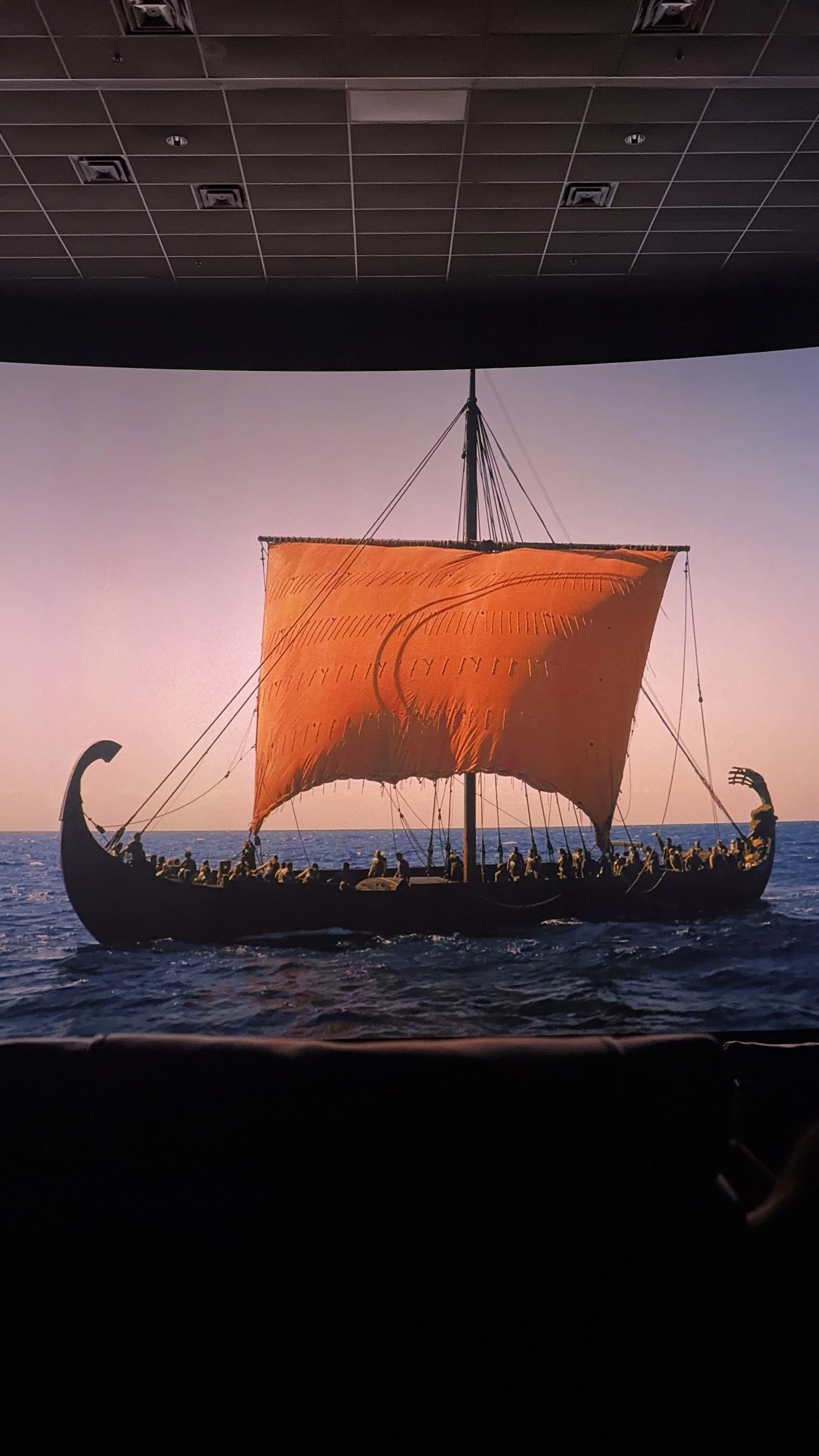


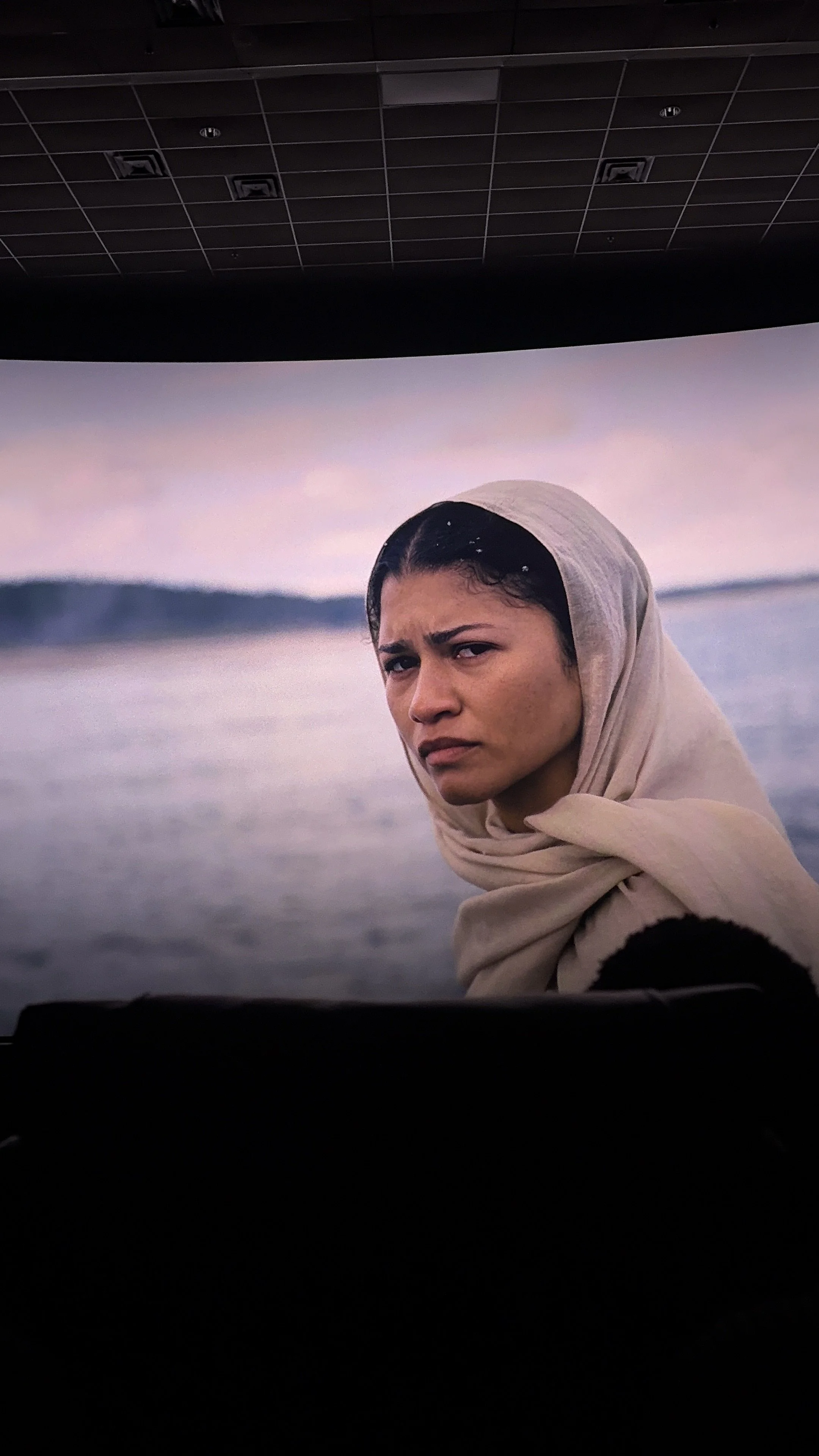


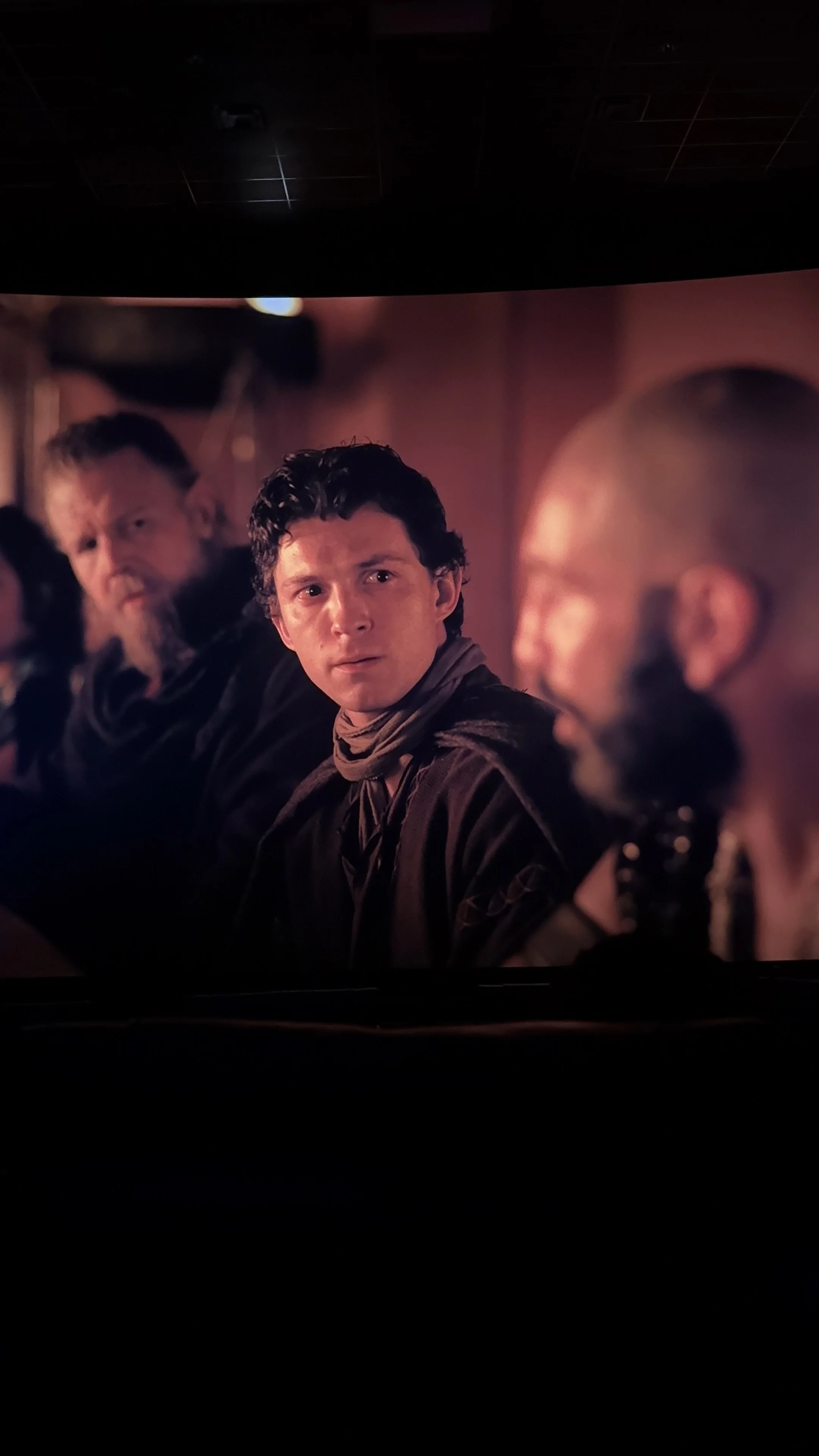

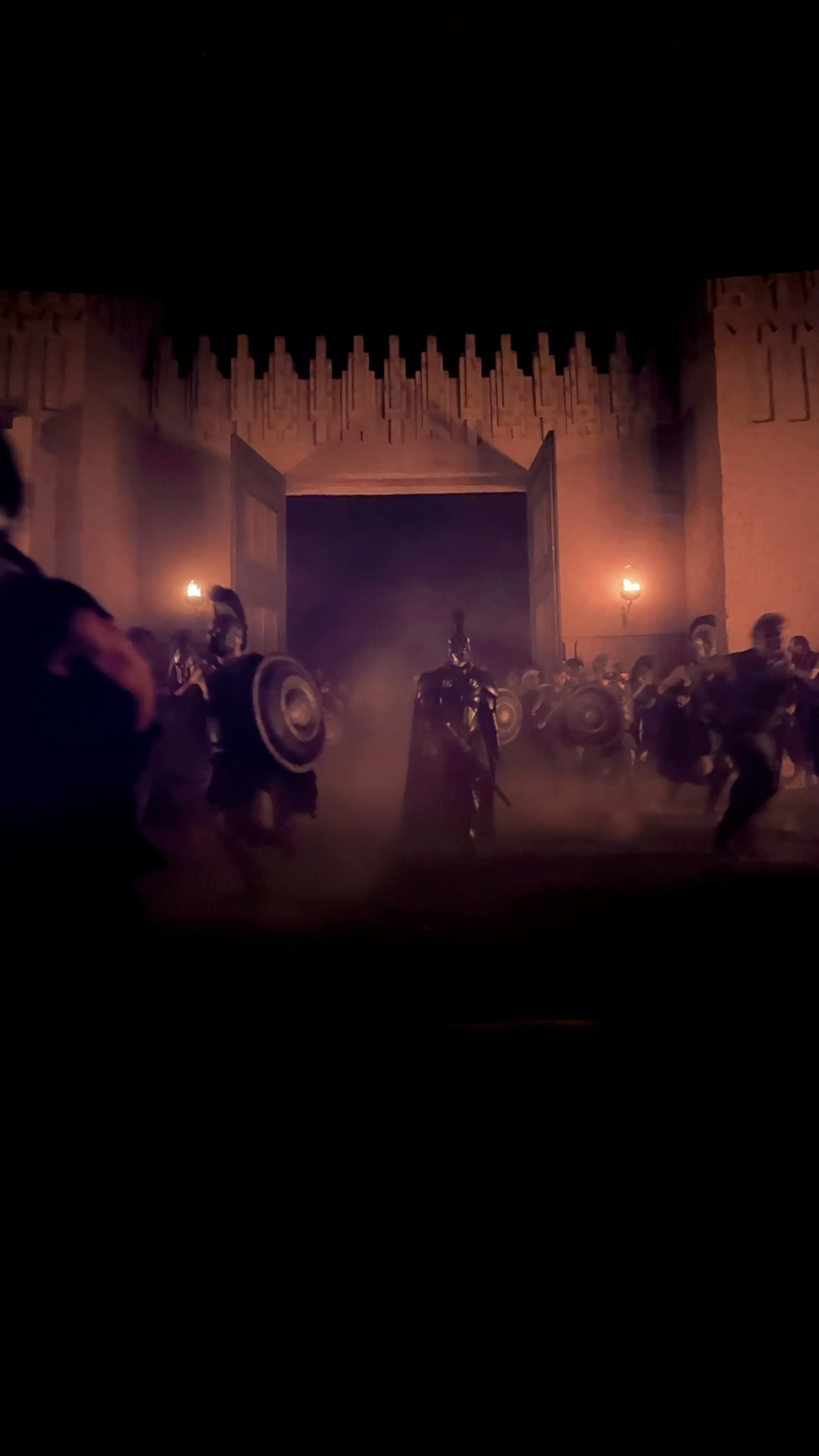


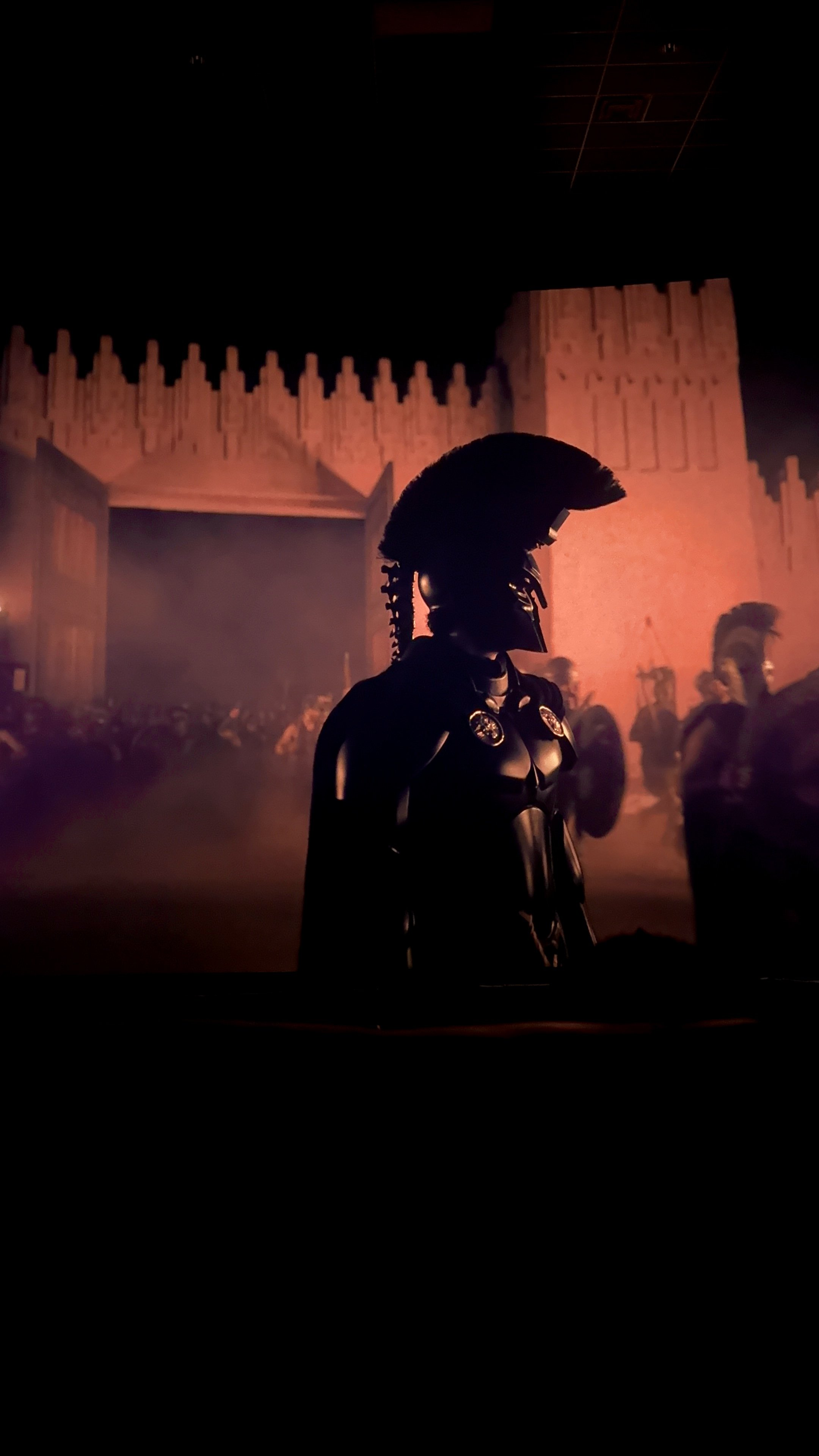

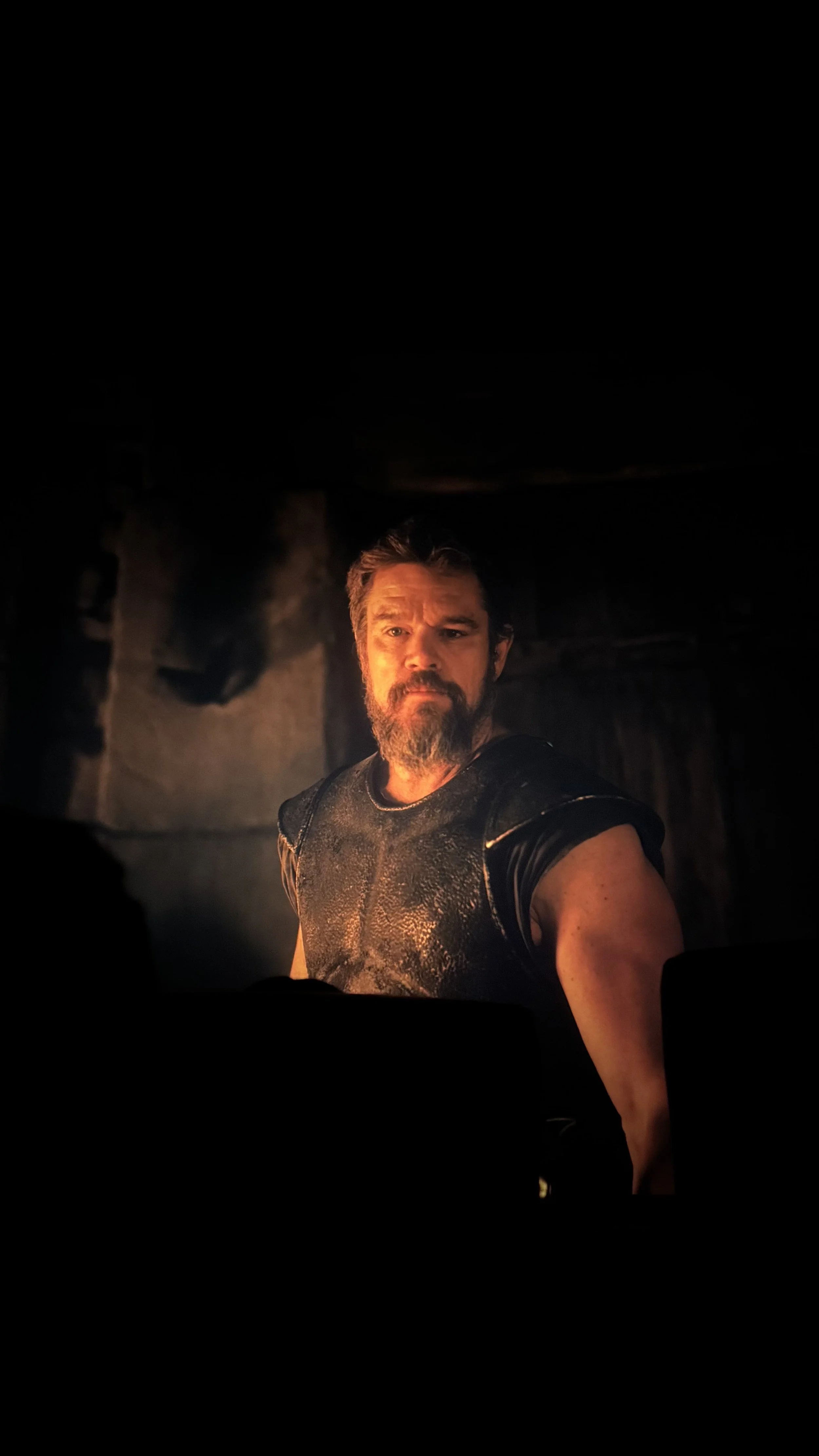


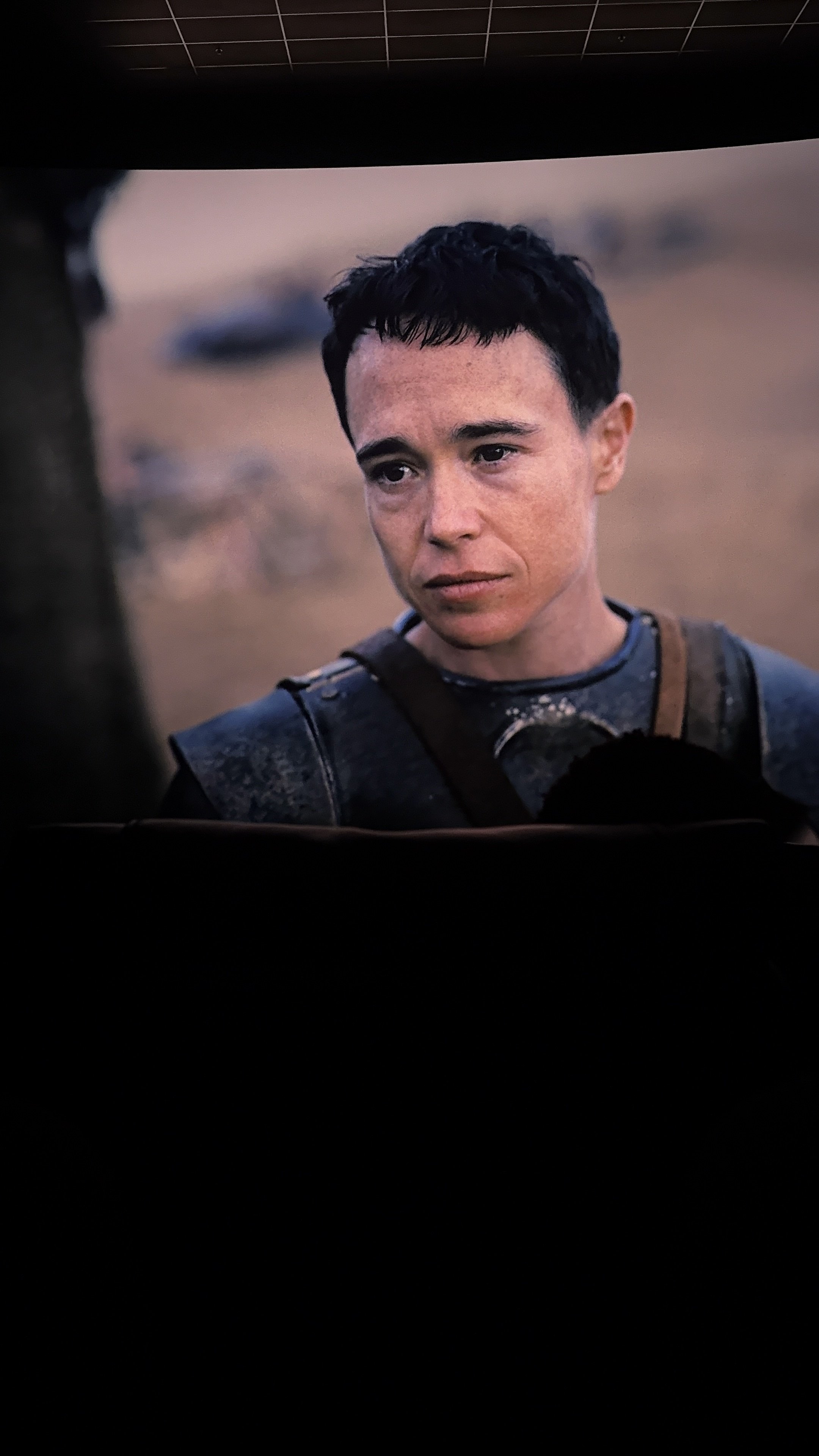


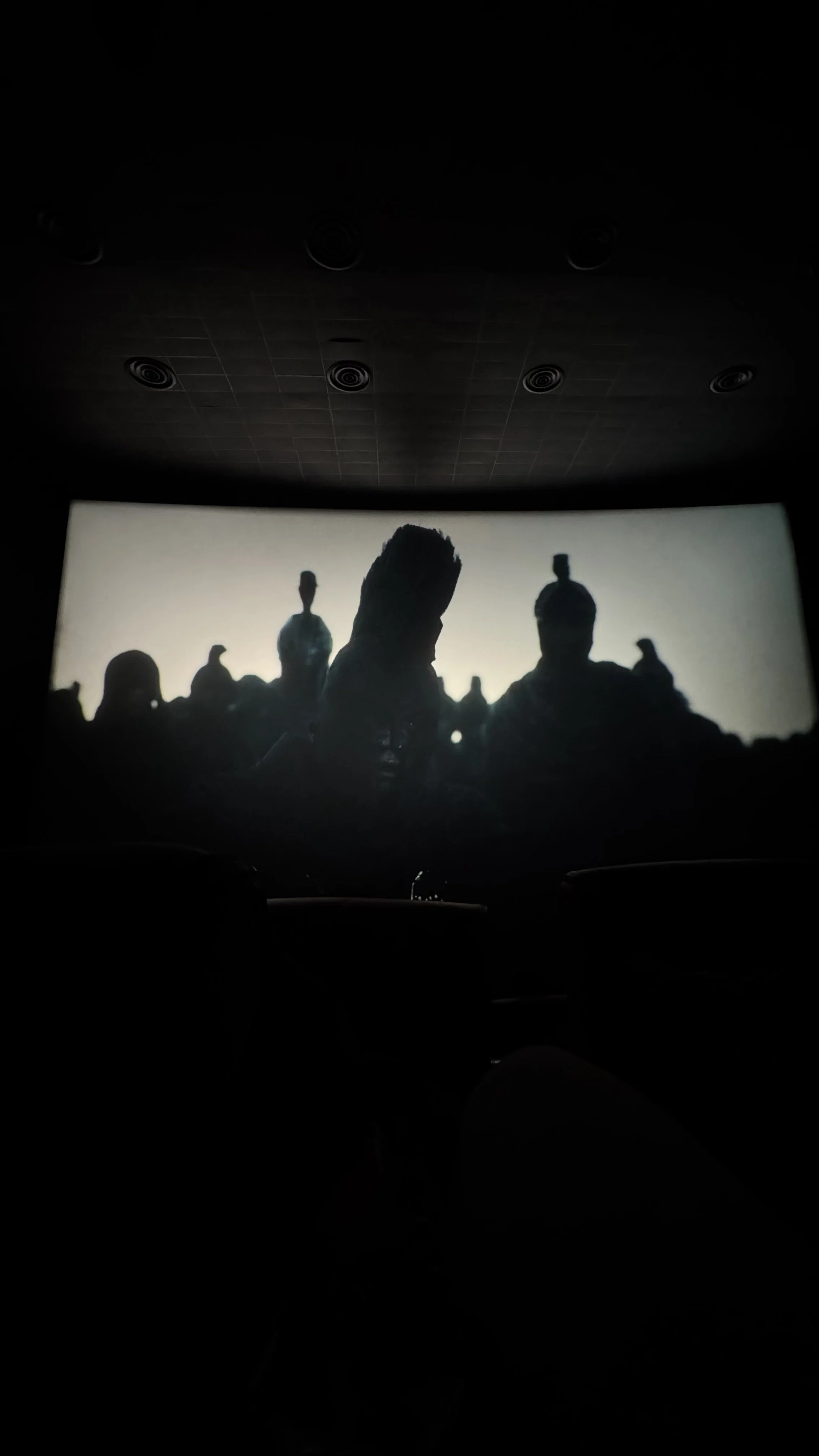
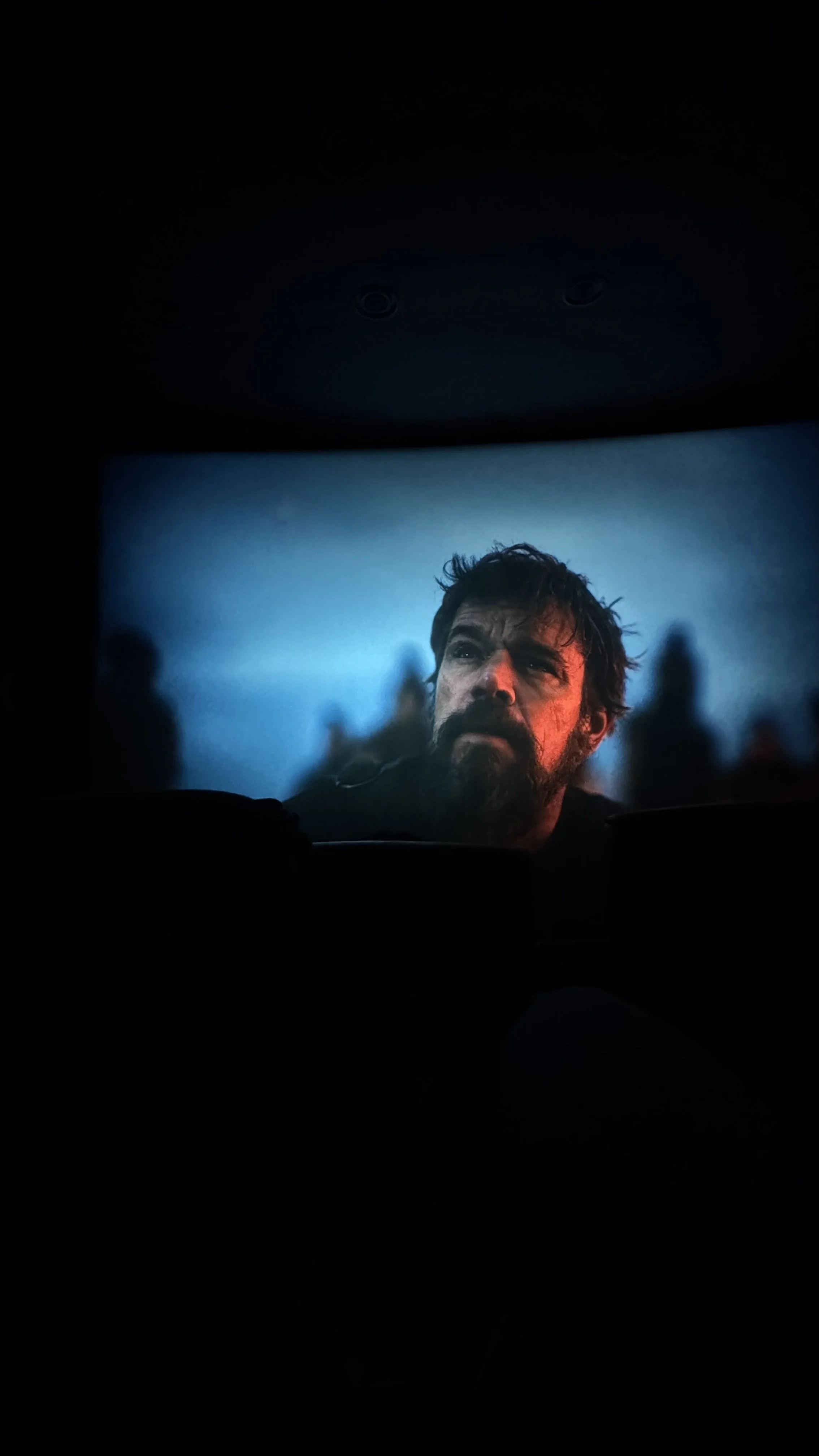


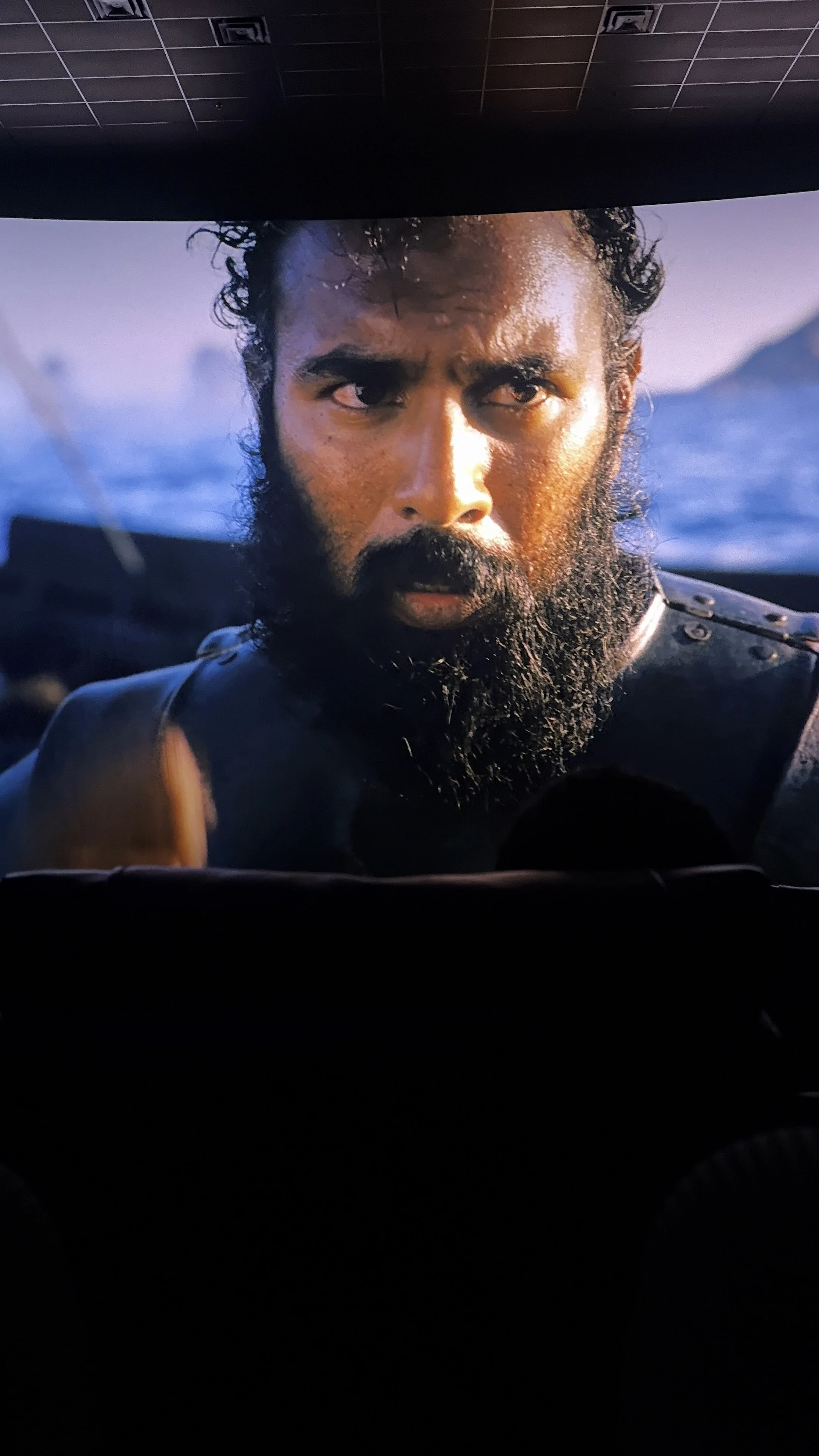


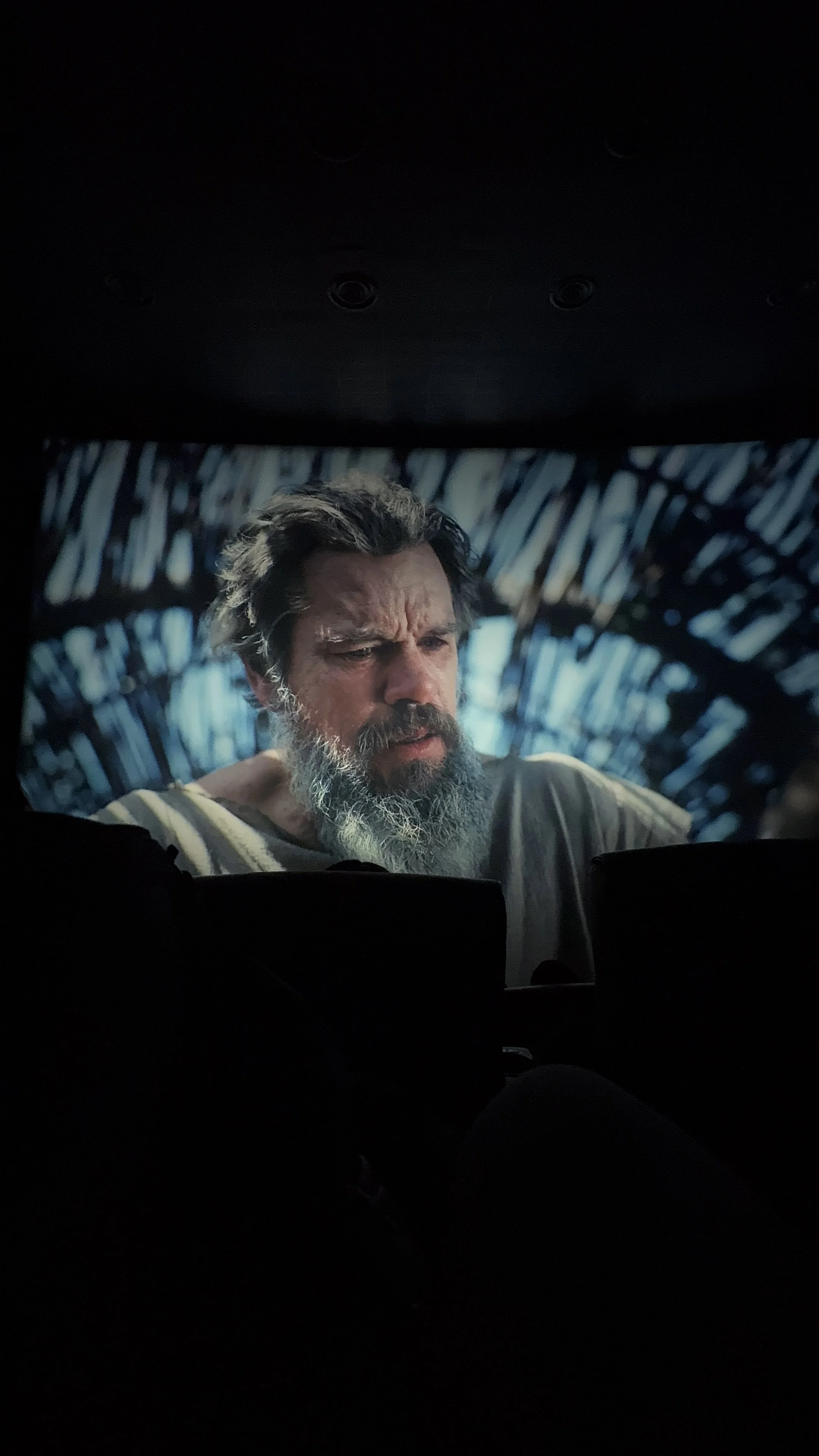


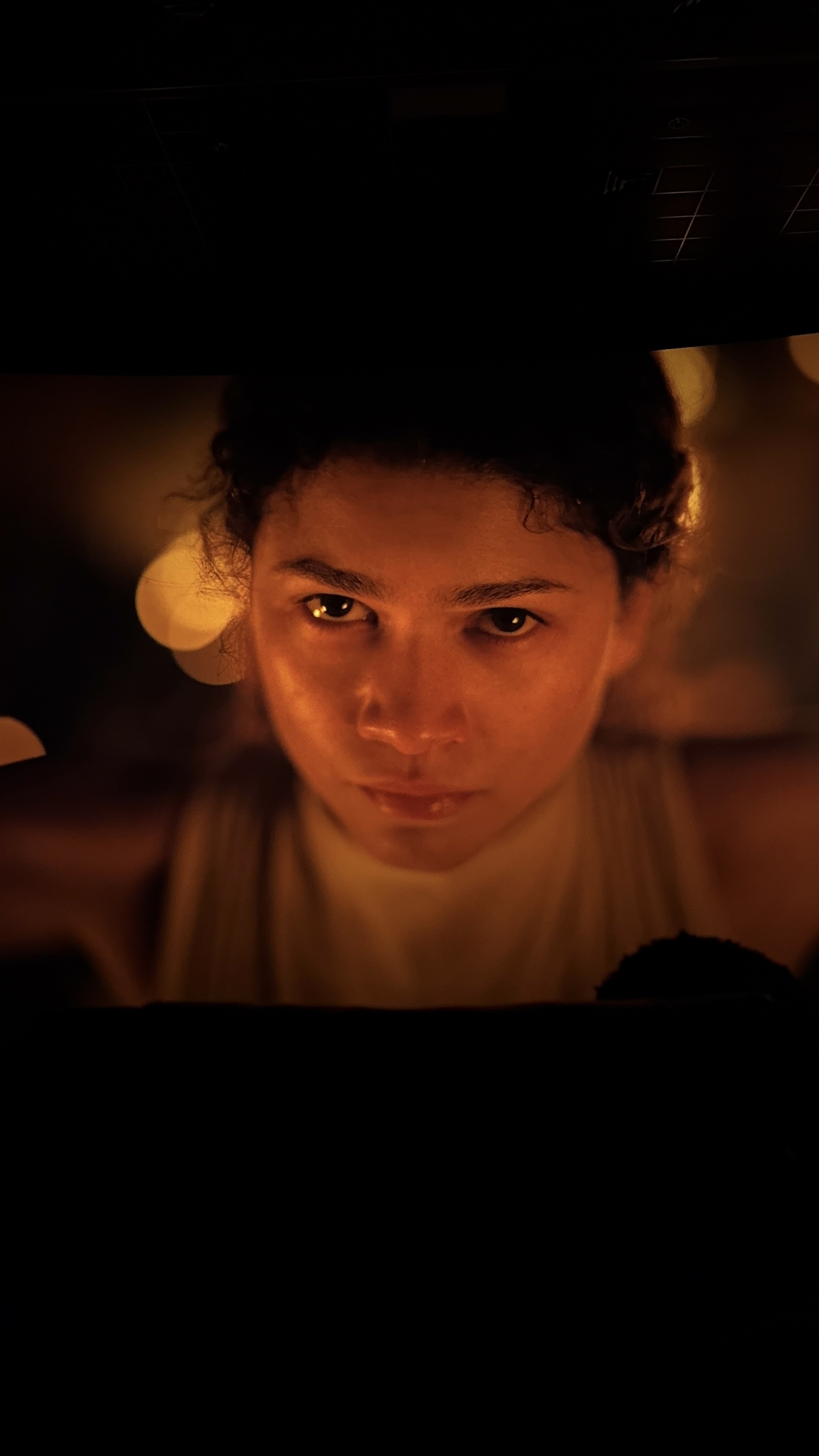


I promise y'all, this was one of those films of the decade that deserved to be experienced on the BIG screen at least once! 🎬🍿 Here are some of my favorite scenes captured in both IMAX 70mm and standard IMAX taken on my iPhone. I don't think I'll ever get tired of seeing this film in all its glory!
Before You Leave the Row…
If you've made it this far without seeing The Odyssey, I sincerely hope you get the opportunity to experience it theatrically. It's a film that deserves the largest screen available at this point. I highly recommend it. The craftsmanship alone makes the experience worthwhile.
For those waiting to enjoy it from the comfort of home, The Odyssey officially arrives on digital and physical formats November 17, 2026! Considering how much this film has meant to me, there's a very good chance I'll be purchasing my own copy. At this point, it's practically a comfort movie.
Six theatrical viewings later, I still can't get enough, but don't worry, you absolutely do not need to see it six times to appreciate it.
Although, if you do, please know you have my full support. 🫶🏾
Until next time, this is #RilfromRowK. 🎬🍿
Navigating the Row: Demo Video
Get comfy my friend! There’s plenty more to come. 😉
You’re here now—you might as well get caught up.
As always, thank you so much for taking the time to read! 🎬🍿
Until next time,
Your Beauty Experience Coach,

Found this helpful? Don’t keep it to yourself—share it with your beauty pro friends or your community! Let’s keep the conversation going drop a comment below or slide into my DMs—I’d love to hear your thoughts! ♥️💭✨

Five viewings later, I know that Michael the movie did far more than just entertain me. It sent me backward into parts of my childhood I hadn't visited in years and forward into questions about the woman and creative I am still becoming. 🕺🏾🪩